Category: Travel Hacks

  • Landing Remote Writing Opportunities: How To Write a Winning Upwork Cover Letter

    Landing Remote Writing Opportunities: How To Write a Winning Upwork Cover Letter

    My first ‘digital nomad job’ was a freelancer writer. I applied for jobs on Upwork writing articles, books, product descriptions — just about anything you can imagine. And after several years of pitching clients and landing jobs, I perfected my cover letters. It sounds a little cocky, I know, to say I ‘perfected’ them but for the last two years that I worked through Upwork, every pitch I sent out resulted in me being hired.

    So as my talent seems to lie in writing Upwork cover letters, I thought I’d write a post about it, for anyone else who wants to go freelance so that they travel while working. Plus, I no longer use Upwork, I play casino games at https://www.uptown-aces-casino.com/, so I don’t mind sharing my secrets.

    How to Write a Winning Upwork Cover Letter (for Writing Jobs)

    If you want to succeed as an Upwork freelancer and land the higher-paying jobs, you’ll need to perfect your cover letter. There are thousands of freelancers out there, so whatever jobs you apply for, you can expect a fair amount of competition.

    Cover letters are the first impression that potential clients are going to get of you, so you need to 1) sell yourself, and 2) stand out from the rest. Most of the time, clients don’t even bother looking at your profile, which is probably not what you want to hear if you’ve spent ages perfecting your profile (sorry). They skim your cover letter, check out your previous reviews and make a decision.

    The only trouble is, if you’re new to the freelancing world, it can be hard to know exactly what clients are looking for and how to impress them. So here’s everything you need to know about writing job-winning cover letters.

    Be Friendly and Conversational

    Most clients are looking for writers who can write in a conversational style. They want to see that your friendly personality is going to shine through your writing. And the first piece of writing they’re going to see from you is your cover letter.

    Don’t make the mistake of making your cover letter too formal. Generally freelance writing jobs are fairly casual, and clients want to skip past the normal formalities of hiring someone. Plus, if you can sell yourself in a conversational cover letter, you’re already proving that you can write in the style they’re looking for.

    Check Your Cover Letter for Spelling and Grammar Mistakes

    You’re applying for a writing job, so don’t let clients’ first impression of you be that your English writing skills aren’t quite up to scratch. Any proposals with spelling mistakes are probably going to be dismissed instantly.

    How to Start Your Upwork Cover Letter

    Knowing how to start a cover letter, and how to address the potential client is something that a lot of freelancers struggle with. The trouble with Upwork is that you don’t always have access to clients’ names. So how do you address them in your cover letter?

    Every freelance writer has their own approach, but we’d suggest either a simple ‘Hi!’, ‘Hello!’ or if you want to be more formal, try ‘Dear Hiring Client’.

    Using ‘Dear Hiring Client’ is a great way to let your potential clients know that you’re a professional, but at the same time, it’s a little distant and impersonal. When applying to any conventional job you’d definitely want to steer clear of starting your application with ‘hello’ but Upwork clients are looking for an informal working relationship. So if a simple ‘hello’ is more natural to your personality and style, then go for it.

    Don’t Ramble: Keep Your Cover Letter Short and Sweet

    If you’ve got quite a lot of writing experience, it’s easy to fall into the trap of rambling about all the different articles you’ve written. But your cover letter isn’t just for you to ramble on about how great you are (even if you are incredible). It needs to be more specific than that.

    By all means mention your experience, but make it relevant. If you’re applying to write articles for a beauty or fashion blog, they probably don’t want to hear about your experience writing technology reviews.

    Keep it short and sweet, this way your cover letter should be relevant, and won’t send the hiring client to sleep.

    Be Honest: Lying or Exaggerating Your Abilities Will Lead to a Bad Review

    More often than not, hiring clients are experts in their field, or at least, they know a lot. So if you don’t have all that much experience or knowledge of their field, be honest about it. If you pretend to be something you’re not just to get the job, they’ll soon realise, and that could result in a bad review.

    So there’s no sense in lying in your cover letter. Even if you have no relevant experience, just be honest. As long as you seem keen to learn and get started, clients don’t always mind too much if you’re a little inexperienced.

    Answer the Questions Clients Haven’t Asked Yet

    Some clients ask specific questions that want you to answer in your proposal, but some clients don’t. And for these jobs, you should go above and beyond and answer the questions you know they’ll want answers to. This way, you’ll be showing that you’re organised, and that you’ve done this before.

    So what questions does every hiring client want to know the answer to? Here are the staple questions that I always try and answer in my cover letter:

    • What relevant experience do I have?
    • What is my writing style like?
    • How long will it take me to complete the job?
    • What is my bid for this job?

    Answer these questions, even if the hiring client hasn’t asked them yet. You’ll appear organised and professional. And if you’re applying for a job that involves writing longer pieces, maybe detail how you’d go about the project, how you’d structure it.

    Don’t Use a Templated Cover Letter for Every Job

    Hiring clients can spot generic cover letters from a mile away. And they hate them. You can tell straight away which cover letters have been copy and pasted, and which have been thought out in detail.

    It might be easier to have a cover letter that you use to apply for every writing job, but you’re not going to land all that many jobs.

    It’s fine to have a general template that you use, a structure to follow, but spending a couple of minutes making it personal is going to see much better results. Think about it, would you hire someone who hadn’t even made an effort to apply properly?

    Attach or Include Links to Articles You’ve Written

    If you provide potential clients with links to articles you’ve written, you’ll be making their life a whole lot easier, and they’ll thank you for it. No client wants to take the risk of hiring a writer without knowing what their style of writing is like. It’s just too much of a gamble.

    So in your proposal, include a link or two, and you’ll massively increase your chances of being hired, especially if the clients are instantly sold on your writing style. If you don’t have any live articles you can link to, you can always attach Word documents to your proposal.

    If you don’t have any writing examples yet, you really need to focus on building your writing portfolio. Start your own blog, even if it’s just a simple WordPress one, and write about something you’re passionate about. At least this way potential clients will be able to see your writing style at its best.

    Or if you’d rather not start a blog, spend some time applying for and completing lower paid jobs. You may earn next to nothing, but you’ll have some experience under your belt.

    So to Sum Up…

    Writing cover letters doesn’t have to be difficult or stressful. You just have to know what hiring clients are looking for, and how to structure your proposal in a way that positions you as the answer to all of their problems.

    Follow these tips, and you’ll start to find a cover letter style that works for you. Then the more cover letters you send off, the better you’ll get at writing them, and the more jobs you’ll start to land.

  • 8 Tried & Tested Tips for Backpacking on a Budget

    8 Tried & Tested Tips for Backpacking on a Budget

    So you’re planning a budget backpacking trip?

    After spending over 2 years backpacking through 6 continents, with a budget of around $25 a day, I have come up with my top 8 tips that I would give to every budget backpacker before setting off on their journey. Whether this is your first backpacking trip, or you’re an experienced backpacker, these tips can help you decide what to pack, how to manage your money, and where to go.

    Top Tips for Backpacking on a Budget

    1: Get a Travel Debit Card

    How you manage your money will determine how successfully you’re able to backpack on a budget. And one of the best ways to save money while travelling is to get a travel debit card that doesn’t charge international withdrawal fees.

    Gone are the days when you had to pay fees on every single transaction and withdrawal abroad. There are now some excellent debit cards designed with travel in mind. I personally use the Revolut card which is expanding massively and is available in lots of countries now, but there are also different US and European cards which offer similar benefits. This card will never charge you a fee to withdraw cash at an ATM, anywhere in the world.

    Other similar cards that are perfect for travel include:

    -Starling
    -Monzo
    -Virgin Money Credit Cards
    -N26
    -Curve
    -Amex Platinum (this also comes with free travel insurance and airport lounge access)

    2: Research the Best ATMs and Banks to Use

    Even if you have a travel debit card that doesn’t charge withdrawal fees, some ATMs will still charge you a fee. So it’s worth researching which ATMs are best to use in your destination.

    I think out of 92 countries I’ve travelled to, I have only paid an ATM fee in maybe 5 or 6 countries where it is almost impossible to find a free ATM (off the top of my head I can think of Thailand, Cuba, and I think Myanmar). I often have to go to one or two different ATMs until I find a bank which doesn’t charge. There is almost always at least one bank in every country that won’t charge for withdrawals. Once I know which one it is, I will just use this bank’s ATMs for every transaction. Over 2 years, using a travel debit card and finding free-to-use ATMs has saved me hundreds of dollars, if not more, in card and ATM fees.

    3: Download a Currency App

    Another way to save money is to download a currency app, such as the XE Currency App or OANDA Currency Converter. These are free apps that you can download to check the current exchange rate offline — you won’t need to data or wifi to do so.

    This is always handy when you arrive in a new country and can’t get your head around the currency, or to check you’re not getting hustled at a currency exchanger. You can also use a currency app to check the price of groceries, souvenirs, and meals, and compare prices to the costs of things back home.

    Using Different Currencies When Travelling

    4: Choose Budget-Friendly Destinations

    If you want to travel long term, go where your money will last the longest.

    Of course, Paris and Venice are on everyone’s bucket list, but if you want to travel on a budget now, why not hold off on these places – they will always be there and probably won’t change that dramatically.

    Visit the cheaper places now, there are many countries in Asia or South America you can visit. This cost per day spending decrease can extend your travel time by over double. If you are set on visiting Europe, you could consider going to the less travelled, cheaper destinations in Eastern Europe.

    Backpacking in South East Asia

    If I had the option of travelling to Europe for 2 months or Asia for 6 months, I know which one I would pick. 6 months of travel over 2, every time.

    Here are three examples of place swaps that I think could give you similar experience but could cost you a fraction of the cost:

    Instead of Here →  Visit Here Instead 

    Dubrovnik, Croatia → Kotor, Montenegro

    Korfu, Greece → Himare, Albania

    Serengeti, Kenya → South Luangwa NP, Zambia

    Backpacking Around the World

    5: Invest in a Decent Backpack

    Invest in a decent backpack – It is worth the money.

    Get a backpack with the zip at the front rather than the old classic top open style, they are so much more practical and easier to use every day. When I first travelled with my open front backpack, it completely changed my feeling towards travelling with a backpack, and I really enjoyed using it.

    Keep your backpack to 10kg, trust me – you will thank me later. It makes such a big difference. You will probably be walking a lot when you don’t want to take an expensive taxi from the bus station, so you want it as light as possible, but that’s not the only benefit.  It is also great because you can take your bag on the bus or plane with you instead of checking it in – which often costs more money, is more susceptible to theft, and takes time. We used to take our bags on the buses, then just ask the drivers to stop as close as we could to our accommodation, and we would just jump off the bus.  If we had bags underneath in the hold, they wouldn’t let us stop to get the bags off, and we had to wait until the final destination, so it’s well worth having a smaller bag.

    And to keep your backpack organised, there are plenty of packing cubes for backpacks. 

    Travelling on a Train with a Backpack

    6: Pack Practical, Good Quality Clothes

    Take versatile, good quality clothes.

    Don’t take bright colourful dresses that you won’t want to wear every day, as all your photos will be wearing the same outfit. Take a few pairs of shorts, in versatile colours-  black, grey, blue, and take some trusty shirts with the same principle. Make sure these clothes are durable and made to last too. Also definitely avoid synthetic clothes that get super wet and smelly in hotter, humid climates – go natural like organic cotton or hemp. Check out Hempton Apparel for some great travel shirts. 

    Practical Travel Clothes for Backpacking

    7: Eat Like a Local

    This is probably my favourite part of travel. Eat like the locals.  Don’t eat at ‘backpacker’ tourist restaurants and hostels — these places are often overpriced, so they’re definitely not budget-friendly. And the last thing you want is to drain your money on food.

    I have watched many backpackers in Bali or Vietnam eating acai bowls, avocado on toast, and pizza every day, drinking espresso martinis every night and spending the same, if not more than they would at home.

    Of course, you can occasionally splash out and visit restaurants that offer home comforts and novelty dishes, but my advice would be to eat and drink like a local as often as you can, if your diet allows it.

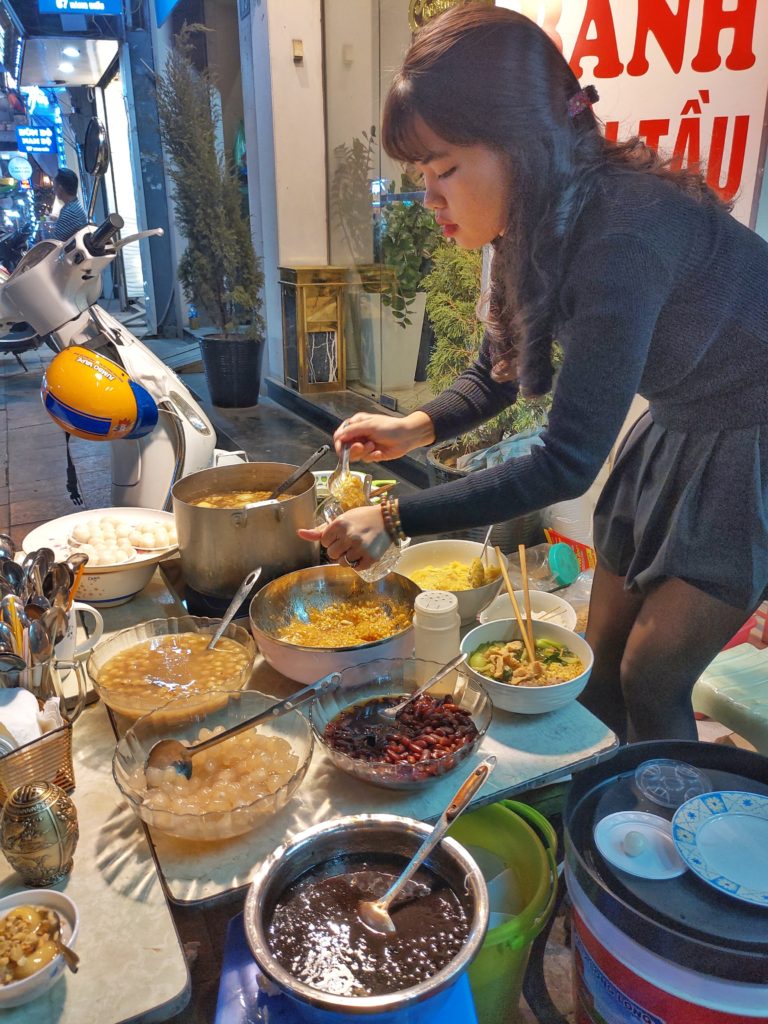
    My favourite meals have always been street food. Now I’m not talking about the street food you’ll find at tourist markets, because that’s likely to be overpriced, and you won’t get such an authentic experience. In some destinations, particularly in Asia, you’ll find roadside carts selling local snacks and meals, and some will even have little plastic stools out front which are usually packed with locals. Eating at streetfood stalls like these in places like Bali and Vietnam, a meal can cost as little as $1. Go to the backpacker places and you’re looking $5 or more for a meal.

    Vietnamese Street Food Stall

    Trying the real local food is also one of the reasons I travel, it’s very rare that I’m disappointed. In fact, my favourite meals are usually the cheapest ones. And eating like a local gives you a chance to meet local people, and enjoy a more authentic travel experience. Plus you’ll be supporting local business.

    Eating Like a Local While Backpacking

    8: Don’t Risk Losing Your Photos

    Download and use Google Photos – this is a game-changer.

    I have met several travellers who have lost their phone or camera or had them stolen, and as a result, lost all of their travel photos. I treasure my travel photos because they remind of all the amazing places I’ve been, the memories I’ve made, people I’ve met, and they inspire me to keep travelling. So the thought of losing them is too painful to think about.

    Meeting People While Travelling

    Google Photos will automatically back up all of your photos on your phone to the cloud every time you connect to wifi. Magic. Even if you lose your phone, you will always have your photos saved to your account, and it’s free of course. You can also purchase an SD card adaptor to transfer photos straight to your phone/laptop. So you can even use Google Photos to store large DSLR files or drone photography.  And you don’t need to worry about finding and packing an external hard drive for your travel photography — that’s weight and space in the backpack saved!

    Storing Travel Photography With Google Photos

  • The Best Travel Hair Accessories in 2024: Tame Your Hair On The Go

    The Best Travel Hair Accessories in 2024: Tame Your Hair On The Go

    When I first started travelling, my hair was so long it reached my belly-button, and I struggled to keep it tamed. I have naturally frizzy, slightly curly hair that gets even frizzier in humid climates.

    Any fans of Friends will remember the one with Monika’s crazy hair in Barbados — my hair is pretty similar to that.

    So while I’ve tried travelling without any hair tools or accessories, au naturale hair is just not a good look for me.

    So after trying lots of different products and hair accessories, and meeting people on the road with even longer hair than mine, I think I’ve figured out the best hair accessories for travel.

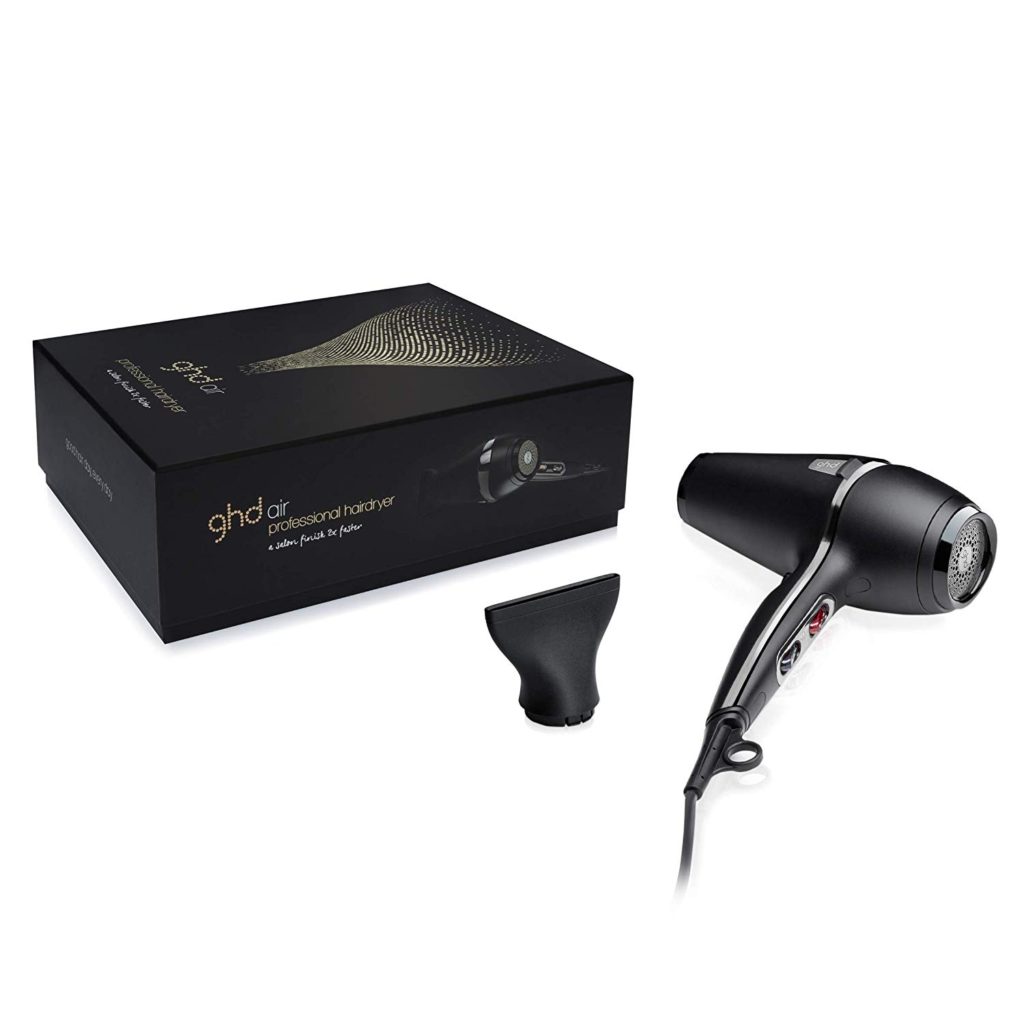
    1: GHD Air Hairdryer

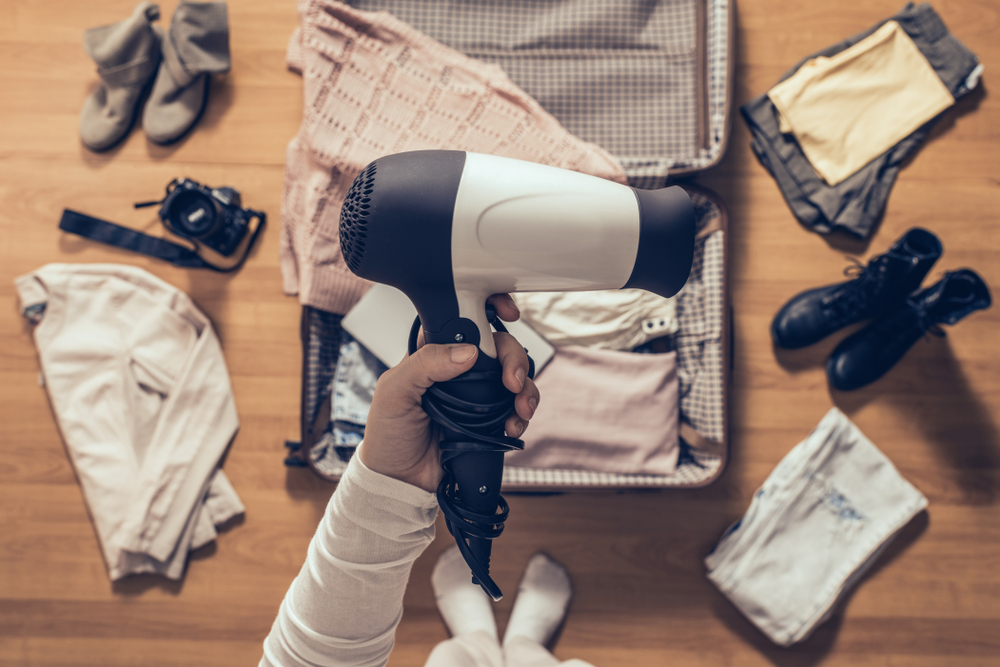
    GHD Air Travel Hair Dryer

    I’ve tried so many travel hair dryers before, from the GHD Flight, to Babyliss and Remington ones, but was never impressed. Then I came across the GHD Air. I stayed with a friend in London and ended up using her hairdryer — she had a GHD Air and I was instantly impressed.

    It dried my hair quickly and left it much less frizzy than normal. I was so impressed that I ordered one for myself the next day, and I’ve taken it on every trip ever since.

    While the GHD Air isn’t strictly a travel hairdryer, it is THE best hairdryer I’ve ever used, and it’s lightweight, small frame means I can easily pack it in any backpack or suitcase.

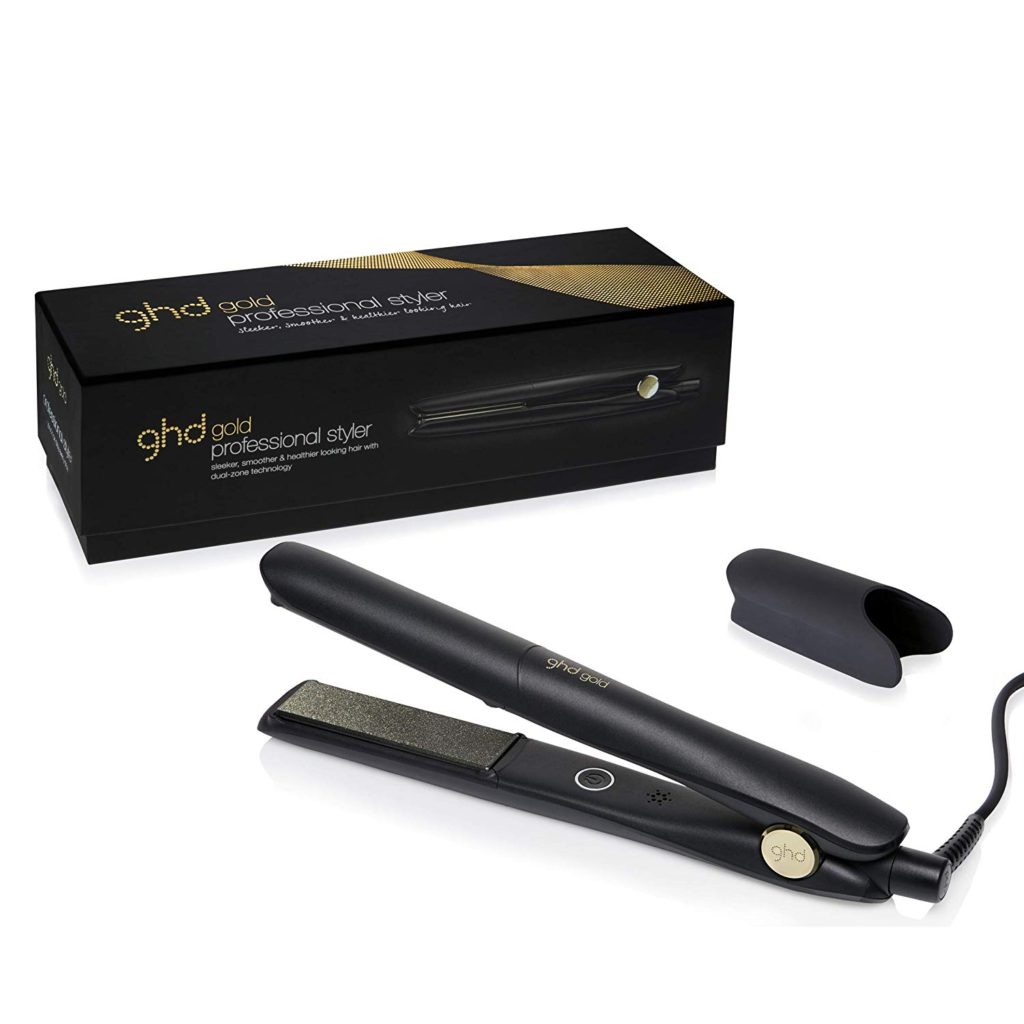
    2: GHD Gold Straighteners

    GHD Gold Straighteners for Travel

    Once I’d bought my GHD Air, I was sold on GHD as a brand. So I took a look at their straighteners too. I was able to try the GHD Mini Stylers and the latest, top of the range GHD Platinum+, but decided the GHD Gold straighteners were best for travelling.

    While the GHD Minis are designed with travelling in mind, they took quite a while to straighten my hair. The GHD Golds were a little larger, but they were still sleek and lightweight.

    These straighteners, combined with the Air Hairdryer, make the perfect hair tools for travelling. With these, I can achieve non-frizzy straightened or curled hair in any climate.

    3: Tangle Teezer Brush

    Tangle Teezer Travel Hair Brush

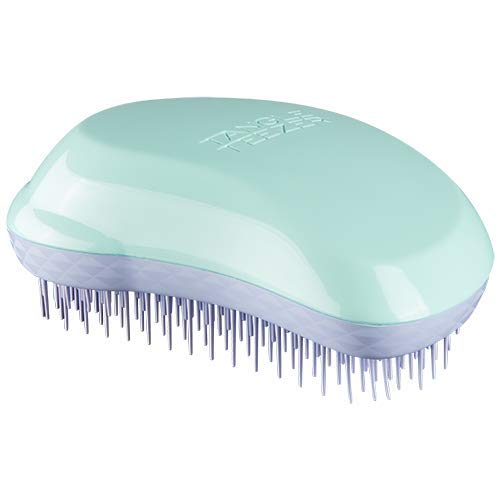
    Tangle Teezer brushes somehow manage to detangle hair without pulling at all. I can brush my hair with one of these bad boys without cringing in pain at all. They’re also fairly compact and come in different colours.

    My personal favourite is the mint coloured brush, simply because it matches a few of my other travel accessories like my Seafoam Yeti bottle and pastel blue Antler suitcase and rucksack set).

    4: Hair Ties and Clips

    This one kind of goes without saying, but hair ties and clips deserve a place on this list. Sometimes it’s so much easier to just to throw my hair up into a bun or pony than take the risk of my hair being knotted by wind or waves. From elastic hair ties to scrunchies to bobby pins, you should take a load of these hair accessories with you on any trip. If you’re anything like me, you’ll lose most of your hair ties by the time you’ve got to the airport, so it’s best to pack many, many spares.

    5: Headbands

    Travel Hair Style With Headband

    Headbands are one of the best travel hair accessories you can pack. A headband will keep your hair out of your face and opens up so many different hairstyle opportunities.

    You can wear them with your hair down, up in a bun, and they even work with short hair. And they have two secret superpowers: 1) they can cover up greasy roots if you don’t have time to wash your hair, and 2) they’re basically stylish sweatbands, which comes in useful in hot climates. In colder destinations, you can wear thick, woolly headbands that keep you warm.

    6: Argan Oil

    Argan Oil For Traveling

    If your hair gets ridiculously frizzy in humid destinations, argan oil is a great way to make sure your hair stays smooth and frizz-free. It also keeps your hair in great health, preventing split ends and encouraging growth. Plus it doubles as a great anti-wrinkle moisturiser.

    Argan oil usually comes in bottles that are 150ml or smaller, so if you’re travelling light with only cabin luggage, you won’t have a problem getting it through customs. And even though bottles of this oil are pretty small, a little goes a long way, and a 100ml bottle will last a while.


    7: Hair scissors

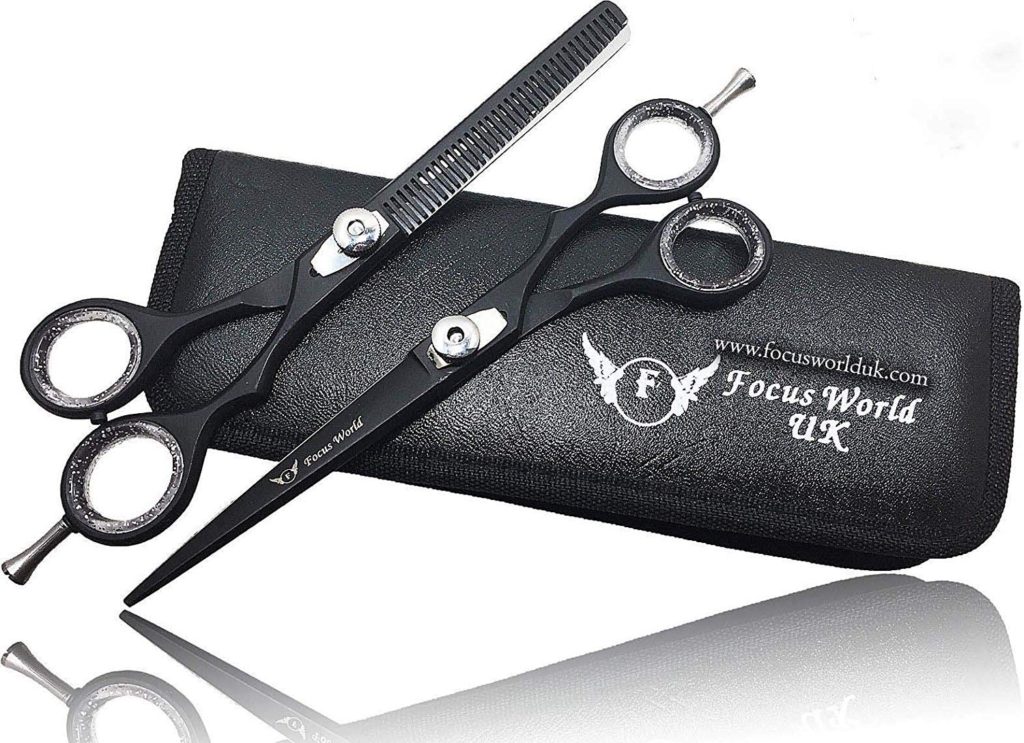
    Depending on where you’re travelling and for how long, it can be a good idea to pack your own hair scissors. I’ve been to several destinations where there aren’t really any hairdressing salons around, and rather than letting my hair get out of control, I’ve trimmed my own hair to keep split ends at bay.

    I bought a pair of hair scissors online, watched YouTube videos on how to cut my own hair, and now they’re one of my essential travel hair accessories.

    8: Hair Turban Towel

    Travel Hair Towel

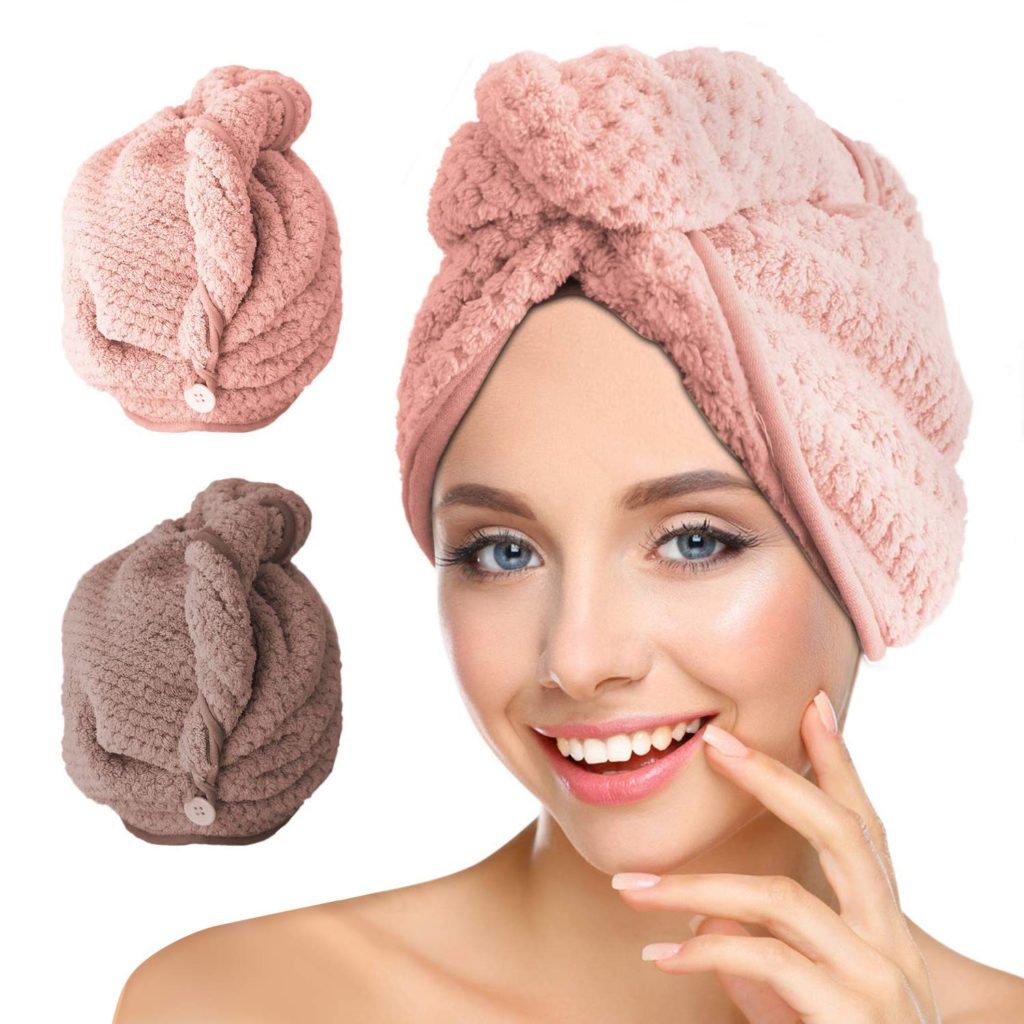
    As soon as I get out of the shower, I want to wrap my hair up in a towel turban. But it’s just not practical to pack both a normal towel and a hair towel if you’re travelling light. So instead of a regular towel, which takes up a fair amount of room., I use a lightweight hair turban towel. They’re fairly small so they tuck easily into your suitcase or backpack, but they can still wrap up long hair.


  • Travel Hacking: How To Find Cheap Flights Using Google Flights

    Travel Hacking: How To Find Cheap Flights Using Google Flights

    There are hundreds of different flight search and comparison sites, but lately, Google Flights has been stepping up to the mark. Previously, Google Flights was something I only used to check the distance and length of flights, it was a quick way to get generic route information, but for the last year or so, I’ve been booking all of my flights through Google’s flight search engine.

    It can be a great place to score a bargain flight, but if you make any wrong moves, you’ll send the price skyrocketing. So in this article you’ll find travel hacks that will help you find flights for the best possible price, but first, let’s take a look at why Google Flights should be your first port of call when booking your travel.

    Why Use Google Flights?

    Everyone’s been singing Google Flights’ praises lately, but are they right for doing so? Having used Google Flights to book over 20 trips worth of plane journeys, I can honestly say, I agree with every single compliment about Google’s travel booker.

    Even though I was impressed with Google’s flight search, I wasn’t sure exactly what made it so much better than the other flight comparison sites I previously used, like Cheapflights, Skyscanner and Kayak. I mean, it’s not as if Google have ever advertised the flight section of their search engine, and it’s not as if it’s particularly targeted at budget travellers – so I wanted to know why it was a cut above the rest.

    So I did some digging into other peoples’ experiences and the technology behind it, and put together this list of why Google Flights is so popular, and why it’s potentially one of the best places to book your flights online.

    It’s super fast

    Some flight search sites can take ages to load all the possible flight options. To give them credit, there are thousands of flights out there, and thousands of different companies offering different flight prices, so it’s no wonder scanning them all can take a few minutes.

    But somehow, Google Flights is much faster than other sites. Within just a couple of seconds, you’ll have the best option right in front of you, and you can easily see the time of departure and landing, the operating airline, the length of the flight and the company to book through.

    There are some sites that even after several moments of waiting for the results, you still have to click through for more information, but almost as fast as lightning, Google will have loaded not only the best deal, but all the information you could need about not just that flight, but all the other, more expensive options too.

    It scans most airlines

    We’ve all been to travel agencies, consultants and websites that state that they don’t search all possible airlines and companies. And the second you hear this you know one thing: they’re not going to include the budget airlines.

    But Google Flights loads both budget and high-end airlines, so you can make sure you’re getting the best deal. You’re not going to miss out on any bargains.

    It uses ITA Matrix Software

    Hardcore travel hackers will know that ITA Matrix Software is THE place to look for flight prices and the LoonieOnlineCasinos.com is the place to play in online casino games. It’s the software that all the best travel agencies and websites use to find the best possible deals. It can search each airline individually in microseconds, making it the ultimate software for travel agents.

    Well-known budget flight booking sites like Kayak use this software, but so does Google Flights. So it really is using the best software in the industry.

    If you’re wondering why you can’t just use ITA Matrix directly, it’s because you can’t actually book through the software. The software can just show prices of different airlines, and it’s then up to you to find those prices by looking directly on airline websites. Google Flights offers the best of both worlds: the intelligent budget-friendly prices that ITA Matrix detects, and a link to the site you can book through. So there’s no searching for the deal, instead you’re taken straight there.

    It’s ad-free

    Ever gone to book a flight and accidentally clicked on an ad that’s taken you away from your booking page? It’s happened to the best of us. But even if it is a common issue, it doesn’t make it any less annoying.

    Part of the reason Google Flights is such a dream to use is the fact that’s it’s completely ad-free.

    There are no ads popping up and ruining your user experience, instead it’s just a smooth interface with no distractions.

    Calendar search encourages flexibility

    A lot of flight search sites have the option to tick a box that says +/- a few days, so that it can find the cheapest flight across a number of days. But Google Flights takes it to the next level with it’s calendar search option.

    Of course other sites also give you the option to select your dates by using a calendar, but what makes Google Flights so special is the fact that when you bring up the calendar, you can see the dates of the individual days.

    You can see prices not just for a couple of days either side of your chosen date, but for months either side.

    This feature means you can be completely flexible with your dates, and easily pick a date that has the best price, rather than refreshing search results every time you want to try out a new date.

    It’s completely mobile-friendly

    Booking flights on your mobile can often be more of a hassle than it’s worth. You’d think that in this new age of technology, where most people are on there phones every waking hour of the day, that all businesses would make their sites mobile responsive, but that’s not always the case.

    And when you’re booking flights, you want to see information quickly and clearly, without having to zoom out and in and scroll left and right.

    Google Flights has got it right in that it’s perfectly responsive, and just as easy to use on your phone as it is on your PC or laptop.

    The only thing to bear in mind is that once you’ve chosen your flight, you’ll obviously be directed to a different company’s booking page, which might not be as easy to use.

    You can get quick flight status updates from Google

    Rather than navigating your way to an airline or airport webpage to check your flight’s status, you can save a whole lot of time and get information about your flight straight through Google.

    All you need to do is type your flight number into Google and you’ll get information about your flight instantly.

    How To Find Cheap Flights Using Google Flights

    So Google Flights is the search console to use, but just like any flight search engine, if you make the wrong moves, you’ll end up paying more than you should. So here are some travel hacks to help you find the cheapest flights on Google Flights.

    Until you’re ready to book, don’t click on your actual dates

    When you click on a date, you’ll be shown prices for that date, but if you then click off and return to that date later, you can bet money on the fact that the prices will have gone up.

    Because of ‘demand’, flight search engines (including Google Flights) and airlines will increase prices on certain dates once someone has shown interest in them.

    So if you’re just browsing to get an idea of how much a flight is going to cost you, don’t click on your actual date.

    Don’t worry though, you can still check the price of your intended flight date without clicking on it. You just need to use Google’s calendar search.

    To make the most of this feature, without affecting the price of your flights, search for flights to your destination on a random date (one you don’t plan on flying on). Once it’s loaded prices for that date, click on the calendar, and scroll through the days and months, looking (but not clicking on!) the date you actually plan on traveling on.

    This way, you’ll get an idea of prices on your date, but you won’t increase the price by clicking on it.

    Look out for price trends for your destination

    When you search for flights regularly using the calendar search, you might notice a few different price trends. It’s important to keep an eye out for these, and make a mental note of them.

    For example, when I was searching for flights from Hanoi to Ho Chi Minh airport, I started checking the prices and the trends months before I planned on booking. By doing this, I quickly realised that last minute flights (flights that departed in less than 2 weeks), were much cheaper, sometimes half the price. So I held off booking until 2 weeks before I planned on flying, and then booked, and sure enough, I scored a much better deal than if I’d booked in advance.

    You might find that for other destinations, it’s the complete opposite, in that last-minute flights are much more expensive, but if you find this to be the case, just make sure you book in advance.

    Search in a private browser

    You might know this one already, but it’s always worth mentioning: always book flights in a private browser! If you’re using Chrome for example, use an incognito window.

    Often when you go to book flights, the prices you see will be based on the cookies in your browser. This means that flight search engines will recognise that you’ve previously looked at flights to your destination, and will show you a higher price, based again on ‘demand’.

    Private browsers delete your cookies, so you’ll be searching from a clean slate.

    Search multi-city flights for better deals

    Sometimes flights with layovers can be cheaper, and they mean you get to explore another destination as well. But they don’t always show up when you search for a simple flight from one destination to another.

    If there’s a city en-route to your destination, or a city that makes sense to layover in that you’d like to explore, even if only for a day or two, use Google Flights’ multi-city search option. This way you can also break up your flight a bit.

    Just search for flights going from your city, to a half-way city, and then onto your destination. It might work out cheaper, and make long haul flights more bearable. But even if not, you haven’t lost anything by looking.

    Double check for better prices with budget airlines

    Whilst Google Flights is better than a lot of flight comparison sites when it comes to searching a wide range of airlines, including budget airlines, there will sometimes be times when it doesn’t search ALL the possible budget options.

    So before you book, do a quick search on a budget airline in your area, just to check there are no better offers.

  • 15 Top Tips For Traveling With Asthma

    15 Top Tips For Traveling With Asthma

    Asthma is something I’ve struggled with since I was five years old, but until last year I had never had an asthma attack. My first asthma attack occurred when I was in Chamonix, Mont Blanc, and being so far from home, halfway up a mountain, the experience was terrifying.

    But in a weird sort of way, I’m so pleased that it happened, because I learnt so much from that trip, and from the awful experience of the asthma attack.

    Before that, I had never really considered how my asthma might affect my ability to travel. Of course, I would always remember my medication when packing, but it never occurred to me to ask myself if my plans posed any sort of asthmatic risk.

    Since that trip, I’ve been so much more careful when making travel plans, and I’ve made sure every trip has been thoroughly researched.

    Below are 15 travel tips for asthmatics, to hopefully make travelling with asthma a whole lot less stressful. All of these tips are based on my own travel experiences, and shouldn’t be considered as medical advice.

    (If like me, you suffer from both asthma and eczema, you can check out my list of tips for travelling with eczema here.)

    1: Visit your GP before you go

    As with most medical conditions, you should always visit your GP before going on a big trip.

    Your GP can help you identify your triggers, warn you of any potential triggers at your destination, and help you put an asthma plan in place. This way you’ll be well prepared for your travels, and you’ll know exactly what to do if your asthma worsens.

    Plus, your GP can make sure you have enough of all of your prescription medications to last your entire trip.

    2: Have an asthma plan in place

    Having an asthma plan in place means you’ll know what to do if you notice you’re struggling to breathe more than usual.

    Your plan should involve different stages, according to peak flow readings, and different situations to help you get your asthma back under control.

    3: Research your destination

    Most triggers will be environmental, so do some research into your destination so that you know what to be wary of.

    Extreme weather conditions, whether they be too hot or too cold, can cause bad asthma, so make sure you know how to keep warm/cool. If hot temperatures can cause your asthma to worsen, try to book accommodation with air conditioning. If cold temperatures are an issue, make sure you pack plenty of layers, keep your chest warm, and always wear a scarf.

    Altitude, as well as weather conditions, can cause asthmatics to struggle, so if you’re heading to any mountainside locations, you’ll need to be wary of this.

    Another thing to consider is air pollution. Some destinations have such bad air pollution that even those without asthma can experience difficulties breathing. So it could be worth steering clear of places that have notoriously bad air pollution.

    4: Always book non-smoking rooms

    Whilst in a lot of countries smoking inside is illegal anyway, there are some places that still offer smoking and non-smoking rooms.

    Check before booking that your room is a non-smoking one, as the remaining smell of smoke can be a trigger.

    5: Call ahead and forewarn your accommodation about your asthma

    It can be worth calling your hotel/hostel/Airbnb before setting off, and just forewarning them about your asthma.

    If things like dust or pet hair can be triggers for your asthma, let them know, and they’ll be able to make sure your room is thoroughly cleaned before your arrival and kept pet-free.

    6: Try to book completely pet-free accommodation

    Like many asthmatics, I’m super allergic to pet hairs, and several times I’ve booked accommodation that has previously had pets in and spent the entire trip puffy-faced and wheezy.

    When you’re booking accommodation for your travels, especially if you’re booking an Airbnb, just check whether or not the listing says ‘pet-friendly’. If pet hairs cause your asthma to worsen, it’s best to avoid ‘pet-friendly’ accommodation if possible, just in case the place hasn’t been cleaned thoroughly.

    7: Know where the nearest medical facilities are

    When booking your accommodation, think about where the nearest medical facilities are. You never know when you might need medical help for your asthma.

    When your asthma gets really bad, it can cause you to panic, and when you’re panicking you’re not thinking clearly.

    So research where the nearest medical facilities in advance and you’ll know what to do if the worst happens, and if nothing else, you’ll have peace of mind.

    8: Pack all of your asthma essentials

    Whether you just have an inhaler, or you have nightly pills, antihistamines, or even steroids, bring everything asthma-related that your doctor has prescribed. It’s better to have these things and not need them than need them and not have them.

    9: Carry all of your asthma medication in your carry-on luggage

    Lost luggage may be a rare occurrence, but you never know when it might happen to you. So just in case, carry all of your asthma medication in your on-board luggage. This way, you’ll also have everything with you in case your asthma starts to worsen on the plane, which can often happen as a result of air conditioning.

    10: Consider Natural Remedies For Your Asthma

    As well as taking your medication, it can be a good idea to consider natural remedies for your asthma. There are lots of anti-inflammatory natural products that can reduce airway irritation.

    I used to be fairly sceptical about natural remedies until I actually gave some of them a chance. I’ve managed to use deep breathing exercises to control my asthma and have often found steam baths can ease my wheezing.

    But recently I’ve tried natural products too. Eucalyptus oil has helped me overcome many bouts of asthma and now I wouldn’t travel without it.

    Certain herbs have also been shown to offer asthma relief. For example, ginger and garlic both have anti-inflammatory properties, and turmeric can behave like an antihistamine in the body.

    While natural remedies should in no way be a replacement for your medication, they make good add-ons and if they can help you control your breathing, they’re worth considering. Natural remedies can be particularly useful when travelling as it can be easy to find natural products in stores around the world.

    11: Carry an asthma attack card

    Asthma affects millions, but still, people don’t always recognise an asthma attack. Carry an asthma attack card with you, so that if the worst happens, you can either show someone your card, or they can find it in your purse/wallet.

    12: Take a copy of your prescriptions with your name on

    In case you lose your asthma medications, take a copy of your prescription with you, with your name on. This way, you can always get more prescription items from a medical facility at your destination.

    13: Make sure you have travel insurance

    As an asthmatic, it’s much more likely that you’ll need medical assistance whilst travelling, and you don’t want to have a huge medical bill to pay after seeking help.

    Make sure you’ve got travel insurance so that any medical expenses are covered.

    14: Take your own pillows

    If certain types of pillows, or dust, can cause you to need your inhaler, it can be worth taking your own pillows. You never know what types of pillow will be at your accommodation, or how old they are, and by taking your own pillows you’ll eliminate the risk of waking up throughout the night to do your inhaler.

    15: Only book excursions that are suited to your fitness level

    When travelling you probably want to make the most of your time, and fit in as many adventures as possible. But when booking excursions or days out, try not to push yourself too much physically.

    Physical activity can be an asthma trigger, and if you’re out on an excursion that causes your asthma to worsen, you never know how easy it will be to find medical assistance.

    So to sum up…

    Travelling with asthma does require a bit more planning, and you have to be a bit more cautious, but really it’s just about being smart.

    When possible, avoid any triggers, and have a plan in place so that you know what to do in case of an emergency. As long as you’re smart about planning your trips, there’s no reason why you can’t see the world and make the most of every destination.

    And if you suffer from eczema as well as asthma (the two often go hand-in-hand) you can click here to find out more about travelling with eczema. 

  • The Ultimate Guide For Traveling With Eczema 

    The Ultimate Guide For Traveling With Eczema 

    [et_pb_section fb_built=”1″ admin_label=”section” _builder_version=”3.0.47″][et_pb_row admin_label=”row” _builder_version=”3.0.47″ background_size=”initial” background_position=”top_left” background_repeat=”repeat” _i=”0″ _address=”0.0″][et_pb_column type=”4_4″ _builder_version=”3.0.47″ parallax=”off” parallax_method=”on”][et_pb_text admin_label=”Text” _builder_version=”3.0.47″ background_size=”initial” background_position=”top_left” background_repeat=”repeat” _i=”0″ _address=”0.0.0.0″]

    This is a post I’ve wanted to write for a while, because traveling with eczema is something I’ve struggled with myself, and something that I like to think I’ve become pretty good at making less stressful. 

    Anyone who suffers from eczema will know how bad flare ups can get after just a day or two of not looking after your skin properly, so it’s no surprise that it can be hard to keep eczema under control whilst traveling. 

    But that’s not to say that having eczema should hold you back from seeing the world and living adventures! Here are some hopefully handy tips to help you make traveling with eczema stress free. Because this is such a personal article, I’d love to know what you think, so feel free to let me know any thoughts or feedback at contact@travellifestylemagazine.com.

    And if you think this article could help anyone else, please don’t forget to share!

    Making your environment eczema friendly

    Visit your doctor or dermatologist before traveling

    So you’ve got a trip planned, but you’re not sure how the climate, food, or different environment will affect your eczema. The very first thing you should do, before you’ve even started packing, is visit your doctor or dermatologist!

    They’ll be able to remind you what triggers to avoid, give you advice on how to avoid flare ups and what to do if they occur, and they’ll be able to prescribe you the right creams and treatments to take with you.

    Always try and book rooms with air conditioning

    Being too hot can trigger an eczema flare up, so if you’re traveling somewhere hot, do your best to book accommodation with air conditioning.

    This way, you’ll be more comfortable throughout the night and therefore less likely to scratch in your sleep.

    If you can’t get AC, make sure you can cool yourself down

    Sometimes it might not be possible to book accommodation with air conditioning, if you’re traveling on a budget, or to some far off corner of the earth. But you still need to have a way to cool yourself down, especially if getting hot and sweaty causes your skin to worsen.

    You can get creative with cooling down by doing things like putting your bed sheets in the fridge or freezer for a few minutes before bed.

    Or one travel accessory I always take with me is an ice towel. It’s a lightweight towel that once wet, stays super cold for ages. It might sound a bit weird, and I’ll admit, I wasn’t sure it would work at first, but it’s actually quite useful for keeping cool at night. If you have a flare up in a particular area you can also lay something cool, like an ice towel, over the area to soothe it.

    Make sure you have access to a shower or bath

    Most accommodation options will have a shower or bath anyway, but just double check before booking.

    You don’t need a luxury bathroom at your disposal, if you’re camping or in budget accommodation you’ll have to make do with what you’ve got. But as long as you’ve got access to running water, you’ll be able to wash.

    Washing regularly is really important if you want to keep your eczema under control, and having a shower or bath to use whenever you want is going to make traveling with eczema a whole lot easier.

    Bring your own pillow cases and/or bed sheets

    Detergent can often be a trigger for flare ups, so you might find that when you stay somewhere new, the bed sheets cause you to start itching.

    A simple solution to avoid this is to take your own bed sheets and pillow cases. You’ll be able to sleep easy knowing that the bed sheets won’t irritate your skin, and you’ll feel just as comfortable as you do at home.

    Know where the nearest medical facility or pharmacy is

    If you have a severe eczema flare up, or if you run out of your prescription creams and treatments, you might need to visit a medical facility, or pharmacy.

    Even if you don’t think it likely to happen, it’s worth checking what medical facilities there are at your destination, so that you can easily find your way to them if need be.

    Make sure you’ve got travel insurance

    If you’re traveling with eczema, it’s really important that you make sure you’ve got valid travel insurance. If you do end up visiting a medical facility, the last thing you want is to receive a huge medical bill.

    Avoid food that might trigger a flare up

    Trying new foods is part of the travel experience, but if you know there are some foods, like dairy for example, that act as eczema triggers, it’s best just to steer clear of them.

    Use Google Translate to find out how to ask for dishes without certain foods or ingredients, and this way you’ll still be able to try new things, without the risk of flaring up as a result.

    Packing the right stuff

    Pack loose cotton clothing

    Packing the right clothes can make traveling with eczema so much less stressful. Loose cotton clothing can keep you cool, and won’t irritate your skin.

    In fact, sometimes wearing long sleeved or long legged loose cotton clothing can be more soothing for your skin than exposing your skin to the sun.

    If you’re traveling somewhere cold, pack plenty of layers

    It’s not just hot weather that can irritate your skin and cause flare ups, cold weather can do the same.

    So if you’re traveling in the winter months, or to a particularly cold destination, pack plenty of layers so that you can keep warm. And remember to make sure your layers aren’t made from irritable material!

    Bring all of your prescription medications

    If you have prescription medication to help you manage your eczema, take it with you! Make sure you’ve got enough to last the duration of your trip, and keep the original labels with your name and the medication details on. This way if you run out of anything, you can take the label to a medical facility you may be able to get a top up.

    Pack your favourite moisturisers, shampoos and conditioners

    If you have moisturisers, shampoos, conditioners or any other products that you’re comfortable with and that you know won’t cause an eczema break out, take them with you!

    You can pack liquids in your check in luggage, and whilst it’s going to add a bit of extra weight, it’s worth it. You don’t want to have to find products that are eczema friendly in a new destination, especially not if there’s a language barrier.

    Bring travel sized moisturisers for the plane journey

    As well as bringing moisturisers and products in your check-in luggage, pack travel sized moisturisers in your carry-on bag.

    The air conditioning in planes can really dry your skin out, so keep a moisturiser on you, and keep your skin hydrated!

    Find some natural home remedies

    If you’re traveling anywhere obscure, you might not be able to find medicines so it’s a good idea to know how you can soothe eczema without medication. There are plenty of natural home remedies you could try that will soothe sore skin, using easy-to-find ingredients.

    Pack eczema friendly sunscreen

    Sunscreen is something you definitely don’t want to go traveling without, but it’s something that can worsen eczema, especially if it has ‘stinging’ ingredients.

    Rather than buying sunscreen at your destination, do research into eczema friendly sunscreen, and try out a couple of different brands. This way, you won’t need to worry about finding the right suncream when you’re out and about on your travels.

    Being smart about your daily routine

    Wash as regularly as you normally would

    It can be tempting to let your normal daily routine slip and skip your morning shower to head straight out on a day trip. But keeping clean and washing regularly is key to keeping your eczema under control.

    I don’t know about you, but even skipping one shower can cause me to flare up, especially if it’s hot outside. After a short while traveling, I realised one of the most important things was to shower every day.

    Moisturise and apply treatments as much as you would at home

    Keep up your moisturising routine, and apply creams each day, or even several times each day, whatever you need (everyone is different).

    Try not to forget, as this could lead to a quick decline in your skin’s health. I always moisturise after a shower, so that the two go hand-in-hand.

    Drink lots of fluids, especially when flying

    You want to keep your skin hydrated and to do that, you need to drink lots of fluids as well as moisturising.

    When you’re flying this is particularly important, as the air in planes can really dry your skin out and dehydrate you.

    [/et_pb_text][/et_pb_column][/et_pb_row][et_pb_row _builder_version=”3.0.77″][et_pb_column type=”4_4″ _builder_version=”3.0.77″ parallax=”off” parallax_method=”on”][et_pb_cta title=”WANT TO LEARN THE BUSINESS OF TRAVEL BLOGGING WITH NOMADIC MATT AS YOUR TEACHER?” button_url=”https://superstarblogging.nomadicmatt.com/the-business-of-travel-blogging-c/ref/481/” url_new_window=”on” button_text=”Learn more!” background_color=”rgba(0,168,170,0.67)” _builder_version=”3.0.77″ max_width=”84%” module_alignment=”center” custom_button=”on” button_text_size=”32px” saved_tabs=”all”]

    Nomadic Matt is possibly the King of the travel blog industry, he’s the prime example of someone living the utlimate dream. So if you want to learn how you can transform your blog into a profitable business, check out his travel course!

    [/et_pb_cta][/et_pb_column][/et_pb_row][/et_pb_section]

  • 20 Ways Travel Will Change Your Life For The Better

    20 Ways Travel Will Change Your Life For The Better

    [et_pb_section fb_built=”1″ admin_label=”section” _builder_version=”3.0.47″][et_pb_row admin_label=”row” _builder_version=”3.0.47″ background_size=”initial” background_position=”top_left” background_repeat=”repeat” _i=”0″ _address=”0.0″][et_pb_column type=”4_4″ _builder_version=”3.0.47″ parallax=”off” parallax_method=”on”][et_pb_text admin_label=”Text” _builder_version=”3.0.47″ background_size=”initial” background_position=”top_left” background_repeat=”repeat” _i=”0″ _address=”0.0.0.0″]

    If you’ve ever been traveling before, you’ve probably noticed how each trip changes you a little. If you travel a lot, eventually you’ll be a completely different (and better) person than before you set out on your adventures. 

    Read on to find out exactly how travel will change your life and your personality! 

    1: You become more social

    Regardless of how you’re traveling, you’re always going to meet new people. So even if you’re on a solo travel trip, you can expect to come back a little more social than when you set off.

    The more you travel, the more used to socialising with new people you’ll be. You’ll be able to make friends within minutes of meeting them, and in developing your social skills, you’ll become a much more approachable person.

    2: You become more confident

    Almost every aspect of traveling is going to boost your confidence, even if before you left home you were super shy. You’ll be constantly meeting new people, learning to be independent, and problem solve, and by deciding to go traveling in the first place you’ll be pushing yourself outside of your comfort zone.

    The more you go traveling, the more confident you’ll start to feel in yourself, as you’ll have to trust your own instincts, and even if you class yourself as an introvert, you’ll have to adopt a few extroverted tendencies for your trips!

    3: You learn to problem-solve effectively

    Whilst you’re traveling, you’ll be solving problems pretty much constantly. If something goes wrong with one of your bookings, or if you get lost (it happens to all of us), or even if you just don’t know what different food items are, you’ll be constantly finding solutions to problems that arise. Think about the language barrier for example, this a problem you’ll need to overcome daily on your travels.

    Problem solving is a skill that will always be useful, even when you return from your travels. Whether you’re self employed, or returning to a job, every life path will involve solution finding and decision making.

    4: You become more willing to step outside of your comfort zone

    No one particularly enjoys stepping out of their comfort zone, not at first anyway. But traveling will force you to visit new places, try new foods, accept new cultures, meet new people etc.

    And once you step out of your comfort zone, so much more of the world opens up for you to explore.

    5: You become a much better communicator

    Communication is something a lot of people, even seasoned travellers, struggle with when traveling. Most of the time, you’ll be traveling to countries where you don’t speak the language, and so somehow you’ll need to find a way to communicate with shopkeepers, cafe and bar staff, taxi drivers, everyone you come into contact with!

    It sounds daunting, but you’ll soon master the art of simple language learning, body language, signs, and of course, Google Translate.

    And once you’ve overcome the barrier of communicating with people all over the world, communicating with people who speak your language will be a doddle.

    6: You’ll become more employable

    All of the skills you learn whilst traveling will boost your employability. Your newly developed communication skills will mean that you’ll become a desirable candidate for any role that involves communicating with people across the company, or even across the world.

    And of course every job you can imagine will involve problem-solving, and by the time you’ve finished traveling you’ll be a master at finding solutions to problems in no time at all.

    The fact that you’ve been traveling is also something that’s often admired by employers, as it shows that you’re an open minded and confident individual.

    7: You’ll broaden your horizons

    There will always be people who never bother to venture beyond their front door step. Their jobs won’t be more than a stones throw away, and their friends will all live in the same area. But once you’ve seen some more of the world, you’ll broaden your horizons and the amount of opportunities available to you.

    You’ll learn of opportunities all over the world, and you’ll meet people who could potentially be useful business contacts from a whole range of different countries.

    8: You’ll develop a hugely diverse group of friends

    Everywhere you go on your travels, you’ll meet new and interesting people from all over the world. Even after a short trip traveling, you’ll have broadened your friendship group.

    Why is this important? Because by socialising with people from different backgrounds, you’ll learn about different cultures and attitudes. Plus, it’s always nice to have people to visit in other countries!

    9: You’ll become more creative

    Traveling always involves getting at least a little bit creative. You might have to get creative about where to stay, how to travel around a country, or even what to do from day to day (because if you’re traveling full time, you can’t just be a tourist every day).

    The creativity you learn whilst traveling might be something that helps to form your ever changing personality, or something that you use in your professional or personal life.

    10: Travel lets you just be human

    So many people are falling victim to the system, and becoming more like machines than humans. Working 9-5 might put food on the table, but other than that, you’re not really exploring, or giving yourself a chance to develop as a human, rather than just as an employee.

    By traveling, even if only for a little while, you’re letting yourself just be human for a while. Let go of the stress of working life, and just enjoy the world and all of its amazing sights. Have meaningful encounters with others, and even if you’re not a particularly spiritual person, you’ll be on quite a spiritual journey.

    11: You’ll become more open minded

    In order to travel long term, and to enjoy it, you need to open your mind a little. You’ll have to accept things that might previously have seemed strange, or different, and after a while, you’ll be used to keeping an open mind.

    This can make you a much more accepting person, and it can actually make your life a whole lot easier.

    12: You learn to appreciate the little things in life

    Even those that like to indulge in luxury travel will find that every now and then, certain places won’t have all of the home comforts that we’re used to.

    Simple things like clean water, or working toilets aren’t always easy to come by, and after traveling without access to such luxuries, you’ll learn to appreciate the little things in life.

    13: You’ll make unbreakable friendships

    Traveling with someone else is stressful, probably even more stressful than traveling alone. It puts strains on friendships and relationships and these strains often cause arguments and falling outs. So if you travel with someone, and your friendship survives the challenge, you know you’ve made an unbreakable friendship.

    Strong friendships can be hard to come by, but when you make friends whilst traveling, you’ll soon be able to tell which friendships won’t pass the test, and which friendships are truly authentic.

    14: You’ll face your fears

    One of the biggest challenges a lot of people face whilst traveling is facing their fears, whatever they may be.

    Traveling will present you with a whole range of challenges, so you’re bound to encounter something that has previously terrified you.

    Whether you’re scared of bugs, adventurous foods, modes of travel, anything, you’re bound to encounter it on your travels, and it gives you the perfect opportunity to face your fears.

    15: You learn to appreciate home, and what you have

    If you’re desperate to go traveling, the chances are you’re probably also desperate to get away from the boredom of home for a while. But once you’re out and about in other countries, you’ll start to appreciate and miss home a little.

    You’ll look forward to returning home after your travels, and you’ll start to appreciate perhaps more than ever what you have, whether that’s a warm home to return to, or a loving family.

    16: You’ll realise that you’re actually quite a tough cookie

    I’ve mentioned the challenges you’ll face whilst traveling a lot, so it makes sense that in facing these challenges, you’ll actually become a lot stronger in yourself.

    Once you’ve been traveling, you’ll realise that actually, you’re one tough cookie, and if you put your mind to it, you can deal with anything the world throws at you!

    17: You’ll grow wiser

    This is a fact that often upsets people that haven’t traveled before, but it’s 100% true. The more you travel, the wiser you’ll become.

    Why? Because you’ll be constantly interacting with different people and cultures, and taking on information and wisdom that you would never have stumbled across otherwise. You’ll grow wiser in your ability to understand different cultures, and in your ability to accept people who are the complete opposite of you.

    18: You’ll develop a love of nature and the natural world

    The world has some amazing natural sights, and in seeing more of what the natural world has to offer, you’ll become much more connected with the natural world.

    In developing your love of the natural world, you’ll also become a lot more mindful, and reflective – nature just has that effect on people.

    19: You’ll learn how to be alone

    Even if you’re traveling with people, at some point you’re going to experience alone time somewhere completely new, something you might not have done before.

    It might sound obvious, but for some people, being alone is something that’s quite daunting. But by learning how to not just be alone, but how to be happy whilst alone, you’ll make yourself a stronger person, and you’ll become much better at coping with stress independently.

    20: You’ll learn how to live in the present

    Planning for the future is all well and good, the only trouble is, some people spend their whole lives planning for a tomorrow that may never come.

    Travelling teaches you to enjoy the present, and just for a moment, take a break from stressing about the future. Plus, only once you’ve actually given in to just living in the present will you be able to clearly see exactly what it is you really want from the future.

    So traveling really can transform your life….

    All you need to do is start living the travel lifestyle, and you’ll see the world whilst becoming the best possible version of yourself. 

    If you need a little help getting started though, why not check out the ultimate travel course?

    In this course you’ll be taught by none other than Nomadic Matt how you can leave your 9-5 job, and find freedom anywhere in the world!

    [/et_pb_text][/et_pb_column][/et_pb_row][et_pb_row _builder_version=”3.0.77″][et_pb_column type=”4_4″ _builder_version=”3.0.77″ parallax=”off” parallax_method=”on”][et_pb_image src=”http://travellifestylemagazine.com/wp-content/uploads/2018/06/travel_blogging_blog_img1.jpg” url=”https://superstarblogging.nomadicmatt.com/the-business-of-travel-blogging-c/ref/481/” url_new_window=”on” _builder_version=”3.0.77″][/et_pb_image][/et_pb_column][/et_pb_row][/et_pb_section]

  • A Fast Track Guide To Becoming A Travel Writer

    A Fast Track Guide To Becoming A Travel Writer

    [et_pb_section fb_built=”1″ admin_label=”section” _builder_version=”3.0.47″][et_pb_row admin_label=”row” _builder_version=”3.0.47″ background_size=”initial” background_position=”top_left” background_repeat=”repeat” _i=”0″ _address=”0.0″][et_pb_column type=”4_4″ _builder_version=”3.0.47″ parallax=”off” parallax_method=”on”][et_pb_text _builder_version=”3.0.47″ background_size=”initial” background_position=”top_left” background_repeat=”repeat” _i=”0″ _address=”0.0.0.0″]

    If you’re a travel addict who loves to write, it makes sense that you’d be interested in pursuing a career as a travel writer. It’s the uultimate dream come true, traveling the world and getting paid to write about your experiences and discoveries, am I right?

    I’m lucky enough to have made an income by travel writing for my own website (this one) and for other sites. So for anyone that’s looking to do the same, here’s a guide to how you can do the same!

    What type of travel writer do you want to become?

    First thing’s first, you need to ask yourself what kind of travel writer you want to become. There are a few different ways to make money writing travel articles, and you can do any you set your mind to.

    Conventional travel writing

    A conventional travel writer writes for another company or publication. In this role, you’ll be given a salary, and possibly even a travel budget. This is probably the most secure type of travel writing income, as you’ll have a contract and a monthly income.

    However, it might not be as flexible as travel writing for yourself. You may be required to travel to certain destinations, rather than just anywhere you fancy and deadlines are likely to be strict.

    Freelance travel writing

    Another way of making an income by travel writing is to write travel articles for different clients as a freelancer. You can sign up to become a freelancer on sites like freelancer.com and upwork.com. With freelancer jobs, you’ll be able to work from anywhere in the world, and set your own rates.

    There are a few downsides to freelancing though, one of the main ones being that work isn’t guaranteed. You’ll need to apply for travel writing jobs, so much of your time will be spent sending out applications. And if you’re to be successful, you’ll need to perfect your cover letters.

    You’re also unlikely to find jobs that give you the freedom to write about your own travel experiences. There will be some out there, but most of the time, clients will be looking for specific articles, which will require more research than just writing about your own experiences.

    Most of the time, you will also be ‘ghost writing’ so you won’t be able to claim credit for the articles you’ve written, which can be gutting, especially if you’re super proud of an article.

    Travel blogging

    This is my favourite form of travel writing, purely because you can write whatever you like, whenever you like, and when it comes down to it, how much you make is up to you.
    Okay, so you probably won’t make any money at first, but as your audience grows, more money-making doors will open.

    You could monetize your blog with ads, affiliate links, or even with digital products, like travel guides which you can sell on your site.

    The only trouble with this is that it can take a while to build your audience and start making money from your blog. The only thing I can tell you is that if you keep going with it, and keep coming up with new ideas to write about, and new ways to market your blog, it will be a success.

    How to fast track your way into travel writing

    Start a travel blog

    Whether you want to earn money writing for yourself, or you’re hoping to land a high-paying travel writing contract, starting a travel blog is something you just have to do.

    If you haven’t blogged before, it can be a little daunting, the thought of putting yourself out there for anyone and everyone to see. But you quickly get used to it, and you could always blog anonymously.

    Starting a blog, regardless of what the blog is about, is always useful if you want to go into writing, because by writing regularly, you’ll develop an authentic writing style. Once you’ve developed your style, writing will become ten times easier, and eventually you’ll be able to bang out a top-quality article in no time at all.

    If you’re hoping to get a job as a travel writer, having a travel blog up and running will show potential employers that you’re a writer capable of engaging an audience. No one wants to take a risk on a writer without a portfolio, and your blog will quickly become your portfolio.

    If you’re hoping to make money writing travel articles for yourself, having a travel blog could be the answer to your dreams. If you post regularly enough, build up a good following and draw a good amount of traffic to your site, there’s nothing stopping you from monetizing your blog.

    If you’re hoping to make money writing travel articles as a freelancer, you’ll have a portfolio in place to show potential clients that you specialise in writing about travel. This will help you stand out from other freelance writers who will write about anything and everything.

    [/et_pb_text][/et_pb_column][/et_pb_row][et_pb_row _builder_version=”3.0.77″][et_pb_column type=”4_4″ _builder_version=”3.0.77″ parallax=”off” parallax_method=”on”][et_pb_cta title=”WANT TO LEARN THE BUSINESS OF TRAVEL BLOGGING WITH NOMADIC MATT AS YOUR TEACHER?” button_url=”https://superstarblogging.nomadicmatt.com/the-business-of-travel-blogging-c/ref/481/” url_new_window=”on” button_text=”Learn more!” background_color=”rgba(0,168,170,0.67)” _builder_version=”3.0.77″ max_width=”84%” module_alignment=”center” custom_button=”on” button_text_size=”32px”]

    Nomadic Matt is possibly the King of the travel blog industry, he’s the prime example of someone living the utlimate dream. So if you want to learn how you can transform your blog into a profitable business, check out his travel course!

    [/et_pb_cta][/et_pb_column][/et_pb_row][et_pb_row _builder_version=”3.0.77″][et_pb_column type=”4_4″ _builder_version=”3.0.77″ parallax=”off” parallax_method=”on”][et_pb_text _builder_version=”3.0.77″]

    TRY TO NARROW IT DOWN TO A NICHE

    Travel writing is super competitive, so if you want to improve your chances of standing out from the crowd, try narrowing it down from just ‘travel’ to a more specific niche.

    There are so many different niches you could explore, here are a few different niche ideas you could try out:

    -Travel writing for minority groups
    -Travel writing for a specific area (you could literally just write tons of articles about the same city or country)
    -Budget traveling
    -Luxury traveling
    -Specific activities and where to do them (kayaking, cycling, hiking, driving, bungee jumping, paragliding)
    -Food travel (you could review food in different countries)
    -A type of travel (flying, cruises, driving etc.)

    These are just a few travel niche ideas you could try, but there are so many different niches you could try. And the great thing about going for a niche is that many niches are pretty much untouched, so it wouldn’t be too hard for you to establish yourself as an authority.

    BUILD YOUR SOCIAL MEDIA FOLLOWING (ESPECIALLY ON INSTAGRAM)

    Building your social media following will give you an audience that’s already interested in you and your travels. Whether you plan on monetizing a travel blog, or writing for another publication, you’ll have an audience to share your articles with.

    If you’re strapped for time, just focus on Instagram. Travel is a particularly visual industry; people want to see as well as read about adventures. If you post pictures of your adventures on Instagram, you’ll draw people in, and it’s more likely that they’ll be intrigued by your content. They’ll want to know the story behind the pictures.

    You’ll also improve your chances of being head-hunted for travel writing roles. If potential employers, or even other blog owners see that you’re already a travel writer with quite the following, they’re more likely to consider asking you to write for them.

    CONSIDER STARTING A YOUTUBE CHANNEL

    The key to good travel writing is personality. Everyone can write flowery language about a destination if they put their mind to it, but if you really want to keep people interested, you need to weave a little of yourself into each article you write.

    People want to get to know the traveller, as well as the destinations they visit. It makes travel stories relatable, and you’ll interest people on a personal level.

    One of the best ways to show people your personality is to put yourself out there on YouTube. You could start a travel vlog, and give your audience the opportunity to see your adventures, rather than just read about them.

    People will get to know you as a person, and in doing so, they’ll become interested in your articles. So by starting a YouTube channel, you’ll boost audience engagement with your articles, and you could even monetize your channel. You just need to find the confidence to put yourself out there.

    (I haven’t yet started a personal YouTube channel, but it’s coming, I promise. For now though, you can check out the Travel Lifestyle YouTube channel.)

    TRAVEL!

    However you plan on travel writing, if you don’t travel very often, you’re not going to have a lot to write about.

    You don’t have to travel full time to be a travel writer, you just need to visit enough places to fuel a few articles.

    For example, if for whatever reason you’d rather do weekend city trips every now and then, rather than longer multi-country trips, that’s absolutely fine! As long as you travel at least more than the average joe, you’ll have more than enough to write about.

    Plus, if you’re hoping to land a job as a travel writer, the first thing employers will look for is an interest in travel, and what better way to show your interest than to have several trips already under your belt?

    FIND TRAVEL WRITING JOBS

    If you’re planning on simply travel blogging, this step won’t apply to you. But if you’re hoping to be a freelance travel writer, or a full time travel writer for another publication, this is the final, and possibly the hardest step to achieving your dream job.

    Luckily though, if you’ve taken all of the previous steps, you’ll already be the perfect candidate for any travel writing job you go for.

    So where can you find these dream jobs? For freelancers you can simply sign up to sites like Upwork or Freelancer, and search for travel writing jobs on those freelancer platforms. Or if you want to extend your reach, you could always try Reddit. There are so many subreddits where you could advertise your travel writing services, or find clients looking for travel writers.

    If you want a more permanent travel writing job though, with an established company, take to every job site you know, and apply to as many travel writing jobs as you can. The more you apply for, the more likely it is you’ll land your dream role.

    If there’s a specific publication you know you’d like to write for, you can search their website for opportunities, or even send them an email applying for a speculative position. A large percentage of opportunities aren’t actually advertised, so you definitely won’t be wasting your time. And even if they don’t have anything going at the moment, you can ask them to keep your CV on file.

    OR…


    START MARKETING YOUR BLOG

    If you’re hoping to make money as a travel blogger, you’ll need to have a marketing plan in place. It sounds scary, but it can be really simple.

    You just need to have a plan for how you’re going to attract more people to your website. You’ll need a little bit of SEO, write a few guest posts for other travel sites to get backlinks, and boost your social media following.

    The more people you can attract to your website, the more successful your travel blog will be!

    [/et_pb_text][/et_pb_column][/et_pb_row][/et_pb_section]

  • 20 Tips For Easy Vegan Travel

    20 Tips For Easy Vegan Travel

    For some people, travel is super easy. They can be spontaneous and just get up and go. For us vegans though, it can be a little more difficult.

    Or at least, we think it’s difficult. But there are hundreds of vegan travellers out there (myself included), who have managed to travel without their veganism being too much of a problem.

    So how do they do it? How do they breeze from destination to destination, finding nutritious vegan meals in places where the term ‘vegan’ might not even be understood?

    At first, it was a mystery to me too. Newly vegan and struggling not to give in to any non-vegan temptation, I made my way to different destinations around the world. And somehow, I managed to 1) survive, and 2) figure out exactly what it is that makes vegan travel that bit easier.

    Here are 20 tips to help you travel the world easily, as a vegan, so that hopefully, your plant based travels will run a lot more smoothly.

    1: Travel with other vegans

    The more vegan company you have whilst traveling, the more likely you are to stay true to veganism.

    Finding vegan options can be difficult, but when there’s a whole group of you, you’ll encourage each other to keep going until you find the perfect place. Plus, you’re much less likely to give in to temptation when you’re surrounded by other strong willed vegans or vegetarians.

    Traveling with other vegans can also be a lot less stressful. When you travel with a meat eater, they might not have the patience to help you find a restaurant or cafe with vegan options. You might feel pressured to just give in and eat somewhere without a single vegan option. That’s when you feel tempted to break your commitment to veganism, and that’s the last thing you want!

    2: Don’t expect a ton of vegan options

    Some places will have so many plant based meal choices, that it’ll be like a vegan heaven. But in other places, in fact, probably in most places, plant based living might be a preposterous idea to locals.

    In these places, vegan options might be quite hard to come by, and might appear on menus by chance, rather than as strategically planned options for vegans. Every now and then, you’ll probably end up with some makeshift vegan meal that the restaurant or cafe has thrown together. And more often than not, these makeshift meals won’t be all that great, so do what you can to find somewhere that caters for vegans!

    It might take a little searching, but even in places where meals are very meat orientated, you’ll find something. Just don’t expect a ton of options. If you’re expecting a whole range of menu options, you’re more likely to be disappointed. So tone down your expectations, that way if you do manage to come across somewhere that seems to be a plant based heaven, it’ll be a pleasant surprise.

    3: Pack your favourite vegan sauce or salad dressing

    Some people might think you mad for packing your own condiments, but any vegan traveler will understand completely. They’ll probably have done the same, or if they haven’t, they’ll soon be wishing they had!

    Often, sauces and dressings that you wouldn’t even think to contain animal products, aren’t vegan. And even us plant based folk don’t want to be eating plain old leaves when we order a salad.

    So sneak a few bottles or packets of your favourite sauces and salad dressings, and you’ll have your own flavour sachets to garnish any salads or sandwiches.

    Also, no matter where you go, you’ll be able to find a supermarket. And if you can find a supermarket, you can always find at least some lettuce, and with your own sauces already packed, you’ve got yourself a flavoursome lunch.

    4: Pack a bunch of vegan snacks

    Packing vegan snacks is key to making vegan travel easy. The worst part about traveling as a vegan is that even when you’re super hungry, you’ve probably got a little wait until you can find somewhere with vegan options.

    Having vegan snacks with you makes searching for vegan food in a new place a little more bearable. You can have a munch on some of your favourite treats to keep you going.

    They also make day trips a whole lot easier. If you’re heading out on a hike, or even to a tourist attraction like a national park, you’re not likely to stumble across any vegan-friendly food options. With your own snacks already packed, you’ll be fully prepared for a long day trip, with your picnic all ready. As long as you’ve come prepared with snacks, you’ll have energy to keep you going all day, and you shouldn’t need to turn back in search of food.

    5: Learn how to ask if something is vegan

    One of the biggest struggles vegan travellers come across is communication. Those without any dietary requirements will often wing it, and order anything. It’s easy to work out the basics, but when you need to know if there’s egg or milk in something, that requires a little more knowledge of the local language.

    Before you rock up in a new destination, do a little googling, and find out how to ask if something is vegan. This might go without saying, but you should also learn the language for ‘yes’ and ‘no’, just so you know what their response is when you ask.

    You might already have an inkling about what menu options contain animal products, but some menu items might surprise you. And at least if you learn how to ask what’s vegan, you might end up finding a delicious meal that you previously thought was off limits.

    6: Take to Instagram for inspiration

    When you set out, you might feel like you’re the only vegan traveler on earth, but don’t worry, you’re not. There are thousands of us out here, and most of us love to share our vegan experiences on Instagram.

    Search your destination on Insta, and have a scroll through, and you might find some vegan food pictures. You can also try searching for #vegan followed by you destination. For example, I’m writing this eBook in the French town of Chamonix, so I searched for #veganchamonix. Now, this is a fairly small town, and one that not too many people have heard of, so my search might not have returned too many results, but the point is, I still got at least some results. Type in somewhere bigger, #vegansanfrancisco for example, and you’ll find thousands of posts. Most of them will be geotagged, or will mention the venue in the caption, so you can easily track down those vegan dishes that look delicious.

    7: Learn the language for certain ingredients

    As well as learning how to ask if something is vegan, if you want to go the extra mile, and make double sure you’re not going to slip up with any non-vegan foods, you might want to learn the local language for ingredients like milk and eggs.

    This is going to make supermarket shops a lot easier. If you’re not sure if something is okay for you to eat, you can then simply scan the back for animal product ingredients.

    Also, believe it or not, there will be places where the term ‘vegan’ is unheard of. You might ask what vegan options they have and be met with a blank stare. So if you can ask if something contains the things you’re refraining from eating, without using the term ‘vegan’, you’ll have found a way around that obstacle.

    8: If you can, book self catering accommodation

    Most people like eating out because it’s easier, and nicer, but for us vegans, it’s a heck of a lot more difficult than eating at home, and often there isn’t too much to choose from (which makes it even worse for fussy vegans!).

    So to avoid the awkward eating out and searching for something you can eat, try and book self catered accommodation. This way, you’ll have the freedom to cook delicious vegan meals in your accommodation, with no questions asked, and no hours of searching.

    Plus, booking self catered can make your travels a lot less expensive. Book through booking.com or Airbnb and often it’ll be much cheaper than a hotel, and sometimes as affordable as a hostel. Even if you do go the hostel route though, you can usually find hostels with kitchens, where you can do your own food prep. You also won’t then have to spend money on eating out, which let’s face it, can be pretty pricey.

    9: Ring ahead and ask your hotel/hostel about the local vegan options

    If you can’t book self catering, or if you’re just interested in going out to eat, ring ahead and ask about what vegan options there are locally.

    This way, you’ll have a good idea of what’s on offer. If it turns out there’s not much around for vegans, you won’t be disappointed when you arrive. And if there’s loads of plant based options, you can plan all your meals (and your budget) in advance.

    And if you haven’t yet fully decided on where you’re staying, ringing round a few different places can help you choose the best hotel or hostel. You might even find somewhere with a whole load of other vegans, and where there’s vegans, there’s like minded friends. Then hopefully, if you’re not sure where to find a suitable and delicious snack, someone else will be able to direct you to the perfect place.

    10: Take to Pinterest for inspiration

    Pinterest can be just as useful for finding vegan inspiration as Instagram. Search on Pinterest for vegan options in your destination, and you’ll find restaurants and cafes that you’d never have found otherwise.

    Much like you would on Instagram, just search ‘(your destination) vegan’ or ‘(your destination) vegan restaurants’ and you should be met with some scrumptious looking search results.

    11: Find other local vegans and vegan travellers online

    It’s always great to make a like minded friend who lives a similar lifestyle to you, and finding other vegan travellers can really make your trip.

    You can exchange stories, discuss veganism in depth, and you might even learn something from each other. Often, the best cafes are the ones you hear about from someone else.

    Plus, if you’re traveling alone, or as the only vegan in your group, finding other vegans can be a fun reminder of why you chose to become vegan in the first place.

    There are plenty of places you can find other vegans online. Try social media groups and communities, and you’re bound to find someone traveling to the same place as you.

    Traveling Friends

    12: Look for health food shops

    The first mistake people often make is searching for ‘vegan’ cafes and restaurants. Sure, that’s essentially what you’re looking for, but there aren’t too many cafes that label themselves as such.

    Instead, you want to look for health food shops. These often specialise in organic and healthy products, but as you probably know, veganism is pretty damn healthy, so naturally they’ll have plenty of vegan options.

    Most health food cafes will also sell products for you to take away, so you can stop off for their to refuel, and also top up on some handy snacks for later.

    13: Do some research before you set off

    The last thing you want to do when heading somewhere new is to go in blind. You want to have at least some idea of what to expect when it comes to vegan food options.

    Look up your destination on vegan blogs, and search for vegan and health food shops and cafes. Look at vegan travel blogs, because you never know, someone else might already have experienced your destination as a vegan, and if you’re lucky, they’ll have written an article with everything you need to know.

    14: Pack enough eco cosmetics to last you a while

    Finding eco cosmetics in a foreign place is even trickier than finding vegan food options. So if you want to have enough to last you, pack all you need. That is, if you don’t want the stress of having to find and ask for eco products in another language.

    If you’re traveling for a while, of course you’ll need to stock up at some point, but you don’t want to be going on a wild goose chase the second you touch down in your destination.

    15: Accept that you might have to eat a lot of raw foods

    If you don’t have a kitchen at your accommodation, and there aren’t too many vegan options around, you might have to accept that most of your meals will be made up of salad and fruits.

    You’ll always be able to find fruits and salad items in supermarkets, so if the restaurants aren’t too accommodating, you won’t be completely without meal options.So just don’t be surprised if there aren’t too many warm food items that you can eat. Everyone loves a good vegan burger, but realistically, you won’t find one in every destination.

    16: Book your airplane meals in advance

    As well as finding suitable food at your destination, you also need to think about what you’re going to eat on the plane, especially if you’re in for a long haul flight.

    Airplanes can cater for vegans, but they sometimes need to know in advance if you require a special meal. If you want to play it safe, book your airplane meal before you fly, and you’ll avoid the risk of them selling out of vegan options.

    On a slightly unrelated side note though, if you’re hoping to be upgraded, you might want to wave goodbye to this possibility if you order a vegan meal. Airlines often won’t upgrade those that have special diet requirements, purely because they’re not sure they’d be able to cater for them.

    17: Double check ‘vegan’ options

    Veganism might be an increasing lifestyle choice, but that doesn’t mean that the term is universally understood.So when ordering a vegan option, just double check that it doesn’t contain meat or animal products. Better to be safe than sorry, right?

    Even if you’ve asked if something is vegan, and been given a confident yes, maybe just double check by asking about the ingredients. Sometimes, people will assume you just mean vegetarian, or they might just be keen to please you, as their customer.

    18: Be 100% sure about your veganism

    If you set off on your travels with doubts in your mind about your commitment to veganism, the chances are you’re going to be very easily swayed to eat something that’s not vegan.

    Before you start your travels, remind yourself of why you became vegan, and if you’re serious about this lifestyle choice, be firm with yourself in the face of temptation!

    19: Be prepared for mishaps

    Sometimes, miscommunications happen. Even if you triple check every thing you eat. So you might end up with a vegan burger that’s not actually entirely vegan, but it’s not the end of the world.

    As long as you’re not having full on hot dogs, or cheese fondues, you can still class yourself a dedicated vegan, even if you slip up occasionally.

    What matters is that you’re doing your bit, whether for the animals, the planet or yourself (we all have different reasons for turning vegan) and that you’re actively doing your best to make a change.

    20: Don’t be afraid to travel!

    The thought of traveling as a vegan can sometimes be a little scary. It can be difficult enough to find vegan options in your home town, so it makes sense that you might be a bit nervous about traveling to somewhere where the term ‘vegan’ isn’t even understood.

    But the main thing to remember is not to be afraid of going for it and starting your travels!

    Once you’ve set off, and hit a few different destinations, you’ll realise it’s not actually that difficult, or different to normal travel. All you need is a bit of research under your belt before you go, and some self restraint when it comes to non-vegan temptations!

    You’ll also see that no matter where you are, meat and animal products don’t have to be part of your diet. You’ll probably meet more vegans than ever before, and maybe even stumble across places where veganism is becoming the norm. You’ll see more of the world you’re changing, and remind yourself of why you became vegan in the first place. Trust me, travel can be an important part of the vegan lifestyle, and you definitely won’t regret taking a leap and going for it.

  • How To Avoid Getting Sick On A Plane: 10 Tips To Flu-Proof Your Flight

    How To Avoid Getting Sick On A Plane: 10 Tips To Flu-Proof Your Flight

    Have you ever boarded a flight only to feel a cold brewing a few hours later? You’re not the only one. Planes are breeding grounds for colds, flus and other illnesses, there are just so many germs going around! Luckily though, there are a few things you can do to avoid catching colds and illnesses when flying.

    1: Wash Your Hands

    Everyone knows to wash their hands, but the reality is that most of us don’t do it as much as we should.

    On a plane, anytime you come into contact with other people or surfaces that lots of others have used, wash your hands! It sounds a bit extreme, but this is how germs and bacteria spread.

    Wash your hands regularly during the flight, and make sure you use soap! The last thing you want is for any bacteria to be lurking on your hands.

    2: Irrigate

    If you want to avoid getting sick on your flight, you need your nasal passages free and clear. Irrigating your sinuses, either with a nasal passage clearing spray or a NetiPot, before and especially after your flight, will help flush away germs that you come in contact with.

    3: Avoid touching your face

    When you think about, you probably touch your face quite a lot throughout the day. Whether you’re scratching an itch or moving hair out of your eyes, it’s something you do fairly often. But if you want to avoid getting sick after a flight, it’s a habit you’ll want to break.

    Even if you wash your hands regularly throughout the flight, keep them away from your face! You don’t want to spread any germs to your nose mouth or eyes.

    4: Protect Your Hands

    This tip might make you look a little weird, but you’ve probably gathered by bow that your hands play a huge role in spreading germs.

    To avoid incidentally picking up any bacteria that could cause an illness, use gloves or a napkin, or even your shirtsleeves to open things like toilet doors on planes.

    5: Hydrate

    Hydration is key to staying healthy whether you’re on a plane or not. If you’re dehydrated this can cause symptoms of its own, and lower your immune system. Staying hydrated can keep you feeling good and healthy, and it can even help you conquer jet lag.

    Plus, if you travel regularly, you might have noticed that the atmosphere on planes is pretty drying. The air con always leaves you with a dry mouth and even dry skin, so the chances are you’ll be craving water fairly regularly anyway.

    6: Get Some Beauty Sleep

    If you’re tired, your body is going to cope too well with fighting off any potential illnesses. Keep your immune system strong by getting plenty of sleep.

    This applies to both on the flight, and before and after. You want your body to be at its strongest over your period of travel.

    It can be hard to sleep on the plane, but try and get in as much sleep as you can.

    7: Wipe Down Your Area

    Your seat and your tray table is where you’re going to be sat for at least a few hours, so you want to make sure that your little space is clean.

    Think of how many people have used the tray table before you. Sure, the cabin crew probably gave it a wipe down, but it’s better to be safe than sorry. So bring some antibacterial wipes with you anyway.

    8: Come Prepared

    To avoid sharing germs with the people that flew before you, it doesn’t hurt to bring things like your own pillow. Some airlines also recycle their headphones, so bring your own pair if you can.

    9: Keep Your Distance

    I know, I know, easier said than done, right? Most of the time, on a flight, you’re squashed right up to person next to you. But try not to get too cosy with the people around you if you can help it.

    10: Stay healthy!

    Whether you travel a lot or not, staying healthy is always a good thing to do. But if you’re trying to avoid picking up colds and flus on your flights, being healthy is a pretty good way to naturally fight off any potential illnesses.

    If you eat a healthy diet, stay hydrated, exercise regularly and just generally make sure your body is always in fighting condition, you’re a lot less likely to pick up illnesses, regardless of whether you’re traveling or not.