
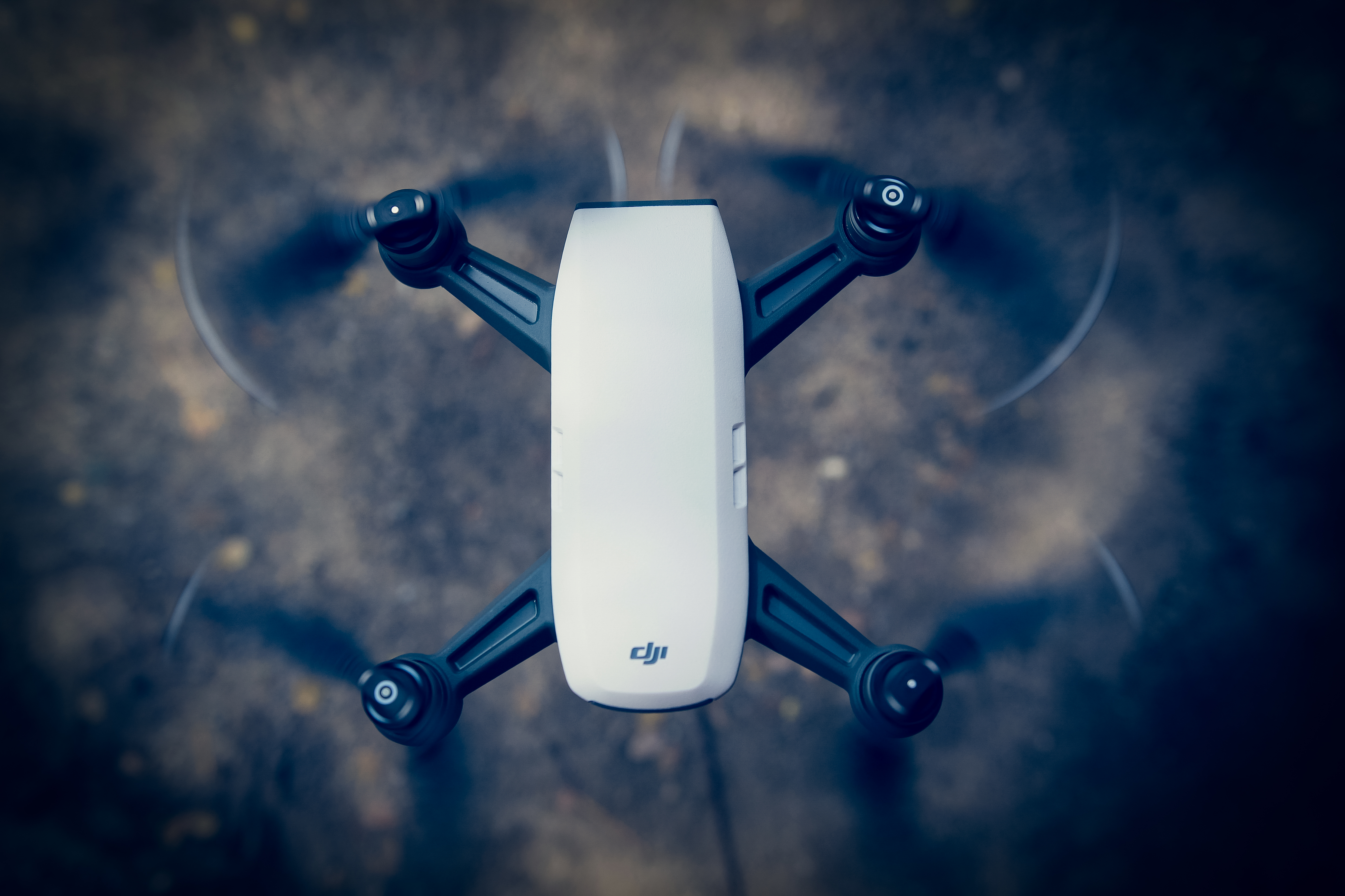
Whether you’re one of these newfound drone nomads, or you’re traveling with a drone for the first time, there are a few things you should know before traveling with your drone.
Here’s everything you need to know about traveling with a drone and flying in a different country.
Top Tips For Traveling With A Drone
Invest In A LiPo Bag
Drones usually use LiPo batteries, and LiPo batteries are well known for spontaneous combustion, but don’t let this put you off your drone!
Get yourself a LiPo bag to store your batteries in, and even if something does go wrong, at least you’ll stop a fire from breaking out.
Choose Your Drone Wisely
Some drones are more practical for travel than others. You’ll want to look for a drone that’s not just packed with awesome features but one that’s lightweight and compact.
Easy transport is the goal here. Whether some disassembly is required or it just folds up like a transformer, for travel less is more.
Size and weight may not seem all that important if you’re travelling on a plane, but imagine backpacking with an 8 pound beast – you’ll thank me later.
Keep It Close
Drones can be a little on the expensive side of things. So take it in your carry-on bag.
If you’ve ever seen how checked luggage is mishandled and tossed around behind the scenes, you’ll understand why you wouldn’t want to put your drone through that. Airlines now prohibit you from checking anything with lipo batteries anyway, so if you leave your drone in your checked luggage, you might have it confiscated.
Protect Your Investment
A padded camera bag may do the trick for your carry-on, but if you have to check your drone, then you will want to take some extra precautions.
There are purpose-built hard cases that will offer the best protection. Just get a case that’s specific to your drone to ensure sure a nice snug fit – so no sliding and bouncing around during transport.
Be prepared
Most consumer drones will give you anywhere from 6 to 25 minutes of solid flight time per charge. To make the most of your trip and ensure you never waste a second, follow these tips:
- Always take spare batteries
- Never head out without your batteries fully charged
- Bring appropriate chargers – USB, car and wall chargers to keep your bases covered. Most importantly, for the wall chargers, ensure the plugs are correct for the region you’re traveling to.
Extra batteries and chargers are all well and good, but other things can go wrong. The fact is, drones are as easy to crash as they are to fly. So you’ll want to be prepared with some basic tools and spare parts.
Nothing too fancy – extra propellers and guards, as well as a small screwdriver and some duct tape. This sort of thing will do the trick in most cases.
Beware of cold climates
Like people, drones don’t do too well in below-freezing temperatures. Take special care to keep your batteries warm so they won’t drain prematurely. Be alert and monitor your drone closely in the air as it could lose power mid-flight and yes, fall out of the sky. Yikes!
Each drone has a different limit when it comes to what temperatures it can cope with, so check the specs of your drone before flying anywhere too cold, or even too hot.
Universal Drone Etiquette – Keeping Out of Trouble
Drone flying is all fun and games until someone gets hurt or authorities get involved. Follow these guidelines to stay on the straight and narrow and keep out of trouble.
Know the Laws of the Land
No one needs their 15 minutes of fame to be on “Locked Up Abroad”, so be sure to know the drone related laws in the country you’re traveling to, and stick to them!
Drone laws vary from country to country, so you’ll need to do your research before each trip. Don’t worry it’s not as complicated as it sounds, a simple google should find you the answers you need. And just like any other laws, flying and photography laws are there to protect you as well as the safety and privacy of others.
So it’s in your best interest to know your rights and boundaries as both a drone pilot and a photographer. In other words, be educated on the issues that affect you and be smart about how you use that knowledge.
Don’t be an arrogant fool who thinks they’re above the law or invincible. You may get charged a hefty fine if you’re lucky or worse end up in jail.
The most universal rules for drone use are to stay clear of crowded public areas, avoid private property and airports. So when in doubt, these are the general rules of thumb.
Airport Etiquette
I mentioned before the importance of keeping your drone close and protecting it on the plane, but beyond that, you need to consider airport security. They can also be a major pain, but remember they’re there to protect.
Don’t be stubborn or make a fuss. Answer all their questions and be open to doing a little show and tell. Batteries are usually the main concern so keep them separate for quick and easy inspection.
Be Considerate of Others
Be mindful of others and stay clear of crowded places. Respect people’s privacy and personal space as a courtesy.
Beyond common courtesy, there is also a matter of safety. Remember you will be held responsible and liable if your drone harms any person or property.
Respect Mother Nature
All lives matter – not just people. So be sure to look out for our critter friends. Many animals find drones unsettling at least and threatening at worst. Their reactions range from attacking to retreating – basic fight or flight instinct. So be sure to keep a safe and respectful distance.
Prepare a Flight Plan
Admittedly, there are going to be times when you take to the air spontaneously. But if you want to be extra safe, have a flight plan in place.
Whether you have a drone that’s smart enough to let you actually map out your path before even taking off, or you flight plan just involves a quick mental note of where to fly. Any plan is better than no plan.
With a set course you can avoid obstacles, power lines and areas with significant radio interference that can affect drone communications. Ensure you have a lot of wide-open space to recover in the event of signal loss.
Here are some useful apps to help you plan a safe and lawful flight.
- AIRMAP – Provides low-altitude airspace advisories, create flights, manage aircraft & more
- Flighttrader24 – Shows real-time aircraft flight information on a map
- Hover – Provides no-fly zone maps, flight logs, weather data, and industry newsfeed
- UAV Forecast – Weather forecast, GPS satellites, solar activity, no-fly zones, and flight restrictions
Now you have all the tools you will need to stay out of trouble. All that’s left for you to do, is to start having some fun.

I live in the UK, in the country’s most uneventful city, where the most interesting story in the local paper is about banning dressing gowns in supermarkets.
I travel and I write, because surely there are more interesting stories than that to write about and share.
