When you think of travelling, you no doubt think of far-off destinations, but you don’t have to take a trip to a foreign country to have a great time.
Sometimes all you need is a good hike in nature or a relaxing stroll along the beach to soothe your adventurous soul. And if your wanderlust has you wanting to explore new destinations, I’ll bet there are some beautiful gems not too far from you that you haven’t explored yet. This is exactly why road trips will never lose their charm.
Imagine hitting the road with your favourite playlist, your friends or family members in the passenger seats, and of course the snacks you’ll need along the way. We’ve all heard the cliche saying that travel is as much about the journey as it is the destination and on a road trip, the journey really is half of the fun.
And when it comes to planning a route and choosing your stops, every country has so much to offer by way of stunning destinations, the UK included. If you’re searching for a road trip to untouched, natural destinations, then believe me, the UK will not disappoint.
Whether you live in the UK or you’re a tourist, England, Northern Ireland, Scotland and Wales all have some stunning destinations that are well worth a visit. So buckle up and let’s go through the top 8 road trip destinations in the UK.
1: Enjoy the Scenery of the Lake District
Home to the finest lakes and picturesque drives in Europe, the Lake District is a famous holiday spot in Cumbria, in the North West of the UK. Filled with tons of outdoor activities, it offers unique and exciting experiences.
There are plenty of hikes to be had, kayaking and SUP opportunities, and countless photo spots. With quaint towns and villages dotted around the Lake District, you can also enjoy some retail therapy in village gift shops, or stop for a traditional pub lunch.
You can hike to Scafell Pike, the third highest peak in the UK or make a stop at Lake Windermere, the largest natural lake of England. You can also visit Dove Cottage of the renowned English poet William Wordsworth or the little market town of Keswick to complete your tour.
And depending on whether you consider yourself an outdoorsy person or you like to travel with all of your home comforts, there are plenty of accommodation options, from campsites to caravan parks, hotels, B&Bs and cottages for hire.
2: Learn From the Castles of Northumberland
If you’re a fan of British history, Northumberland is the perfect UK road trip destination for you. This county will transport you back to medieval times with castles and epic battlegrounds.
You can plan a stop at Bamburgh Castle, a much-loved fortress that has been home to a succession of Kings over the last 1,400 years. Or take a trip to Hogwarts by visiting Alnwick Castle. This castle has been the official residence of the Duke of Northumberland for 700 years but it rose to fame after its appearance in the Harry Potter movies. Other popular spots that are worth including on your road trip are Lindisfarne Castle and Chillingham Castle.
3: Hike Over the Ancient Cheddar Gorge
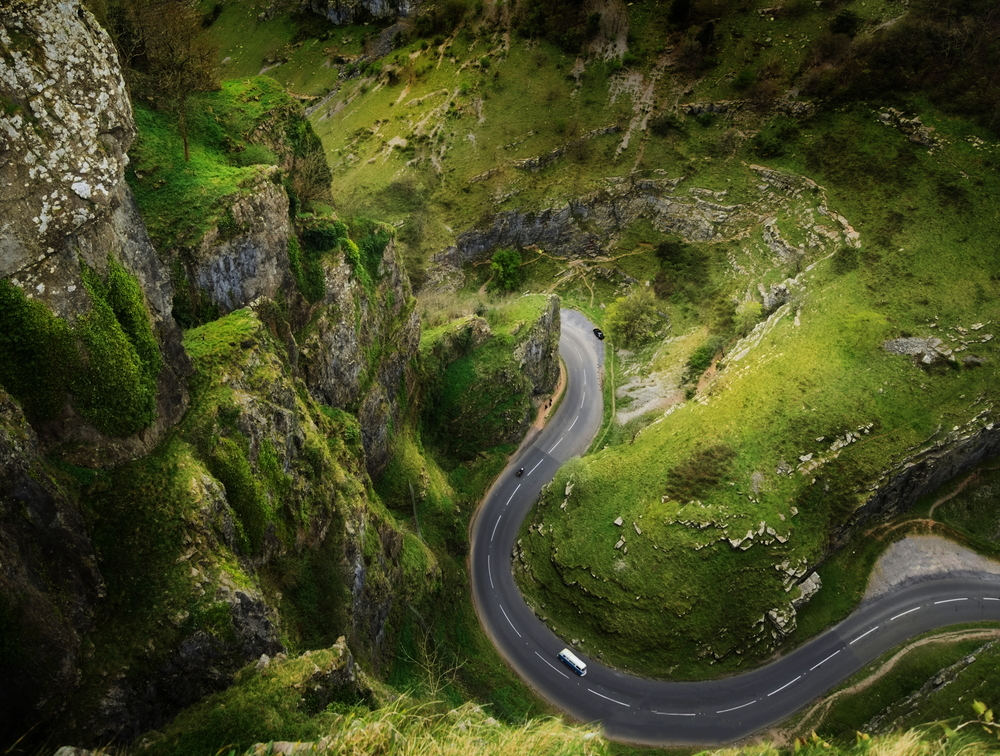
Somerset’s Cheddar Gorge, located 10 miles south-west of Bristol in Mendip Hills, is nothing short of a natural wonder. With towering 450ft high limestone cliffs — the highest inland, limestone cliffs in Britain — prehistoric caves, and roads that wind through some of Britain’s most scenic landscapes, a road trip to Cheddar Gorge is one of the most beautiful and fascinating trips you can take.
The roads are stunning and interesting to drive, and once you arrive there’s plenty to do. There are some incredible walks, caving opportunities for families and thrill-seekers alike, rock climbing sites, even free fall experiences (don’t worry, they’re completely safe). There are also escape rooms, over 30 local, independent shops to explore and a museum of prehistory.
The highlight of this landmark are the Gough caves that are over 500,000 years old. The skeleton of the Cheddar Man, the oldest skeleton to be excavated in the UK, was found in these very caves. For mountaineers, Jacob’s Ladder and the Lookout Tower are the landmarks to explore for the astounding views around the gorge.
4: Enjoy the Natural Beauty of the Cotswolds
Road trips in the UK can help you reconnect with nature and discover places that take you back in time. And one of the most adorable and nature-rich areas in the UK is the Cotswolds. With mountains, lakes, nature parks as well as dainty, medieval villages, the Cotswolds are the ideal destination for nature-lovers and history enthusiasts alike.
Brimming with lush green countryside, small pubs, narrow lanes and unique stone cottages, the Cotswolds is quintessentially English. This area offers everything you could hope for from an English road trip. And as the Cotswolds is an area that spans several counties, there are so many different sights to see within this area. Castle Combe in Wiltshire, Chipping Campden in Gloucestershire and Broadway in Worcestershire are few of the villages that should be on your bucket list.
5: Drive the Black Mountain Pass to the Brecon Beacons
A list of road trip destinations in the UK wouldn’t be complete without mentioning Wales. And one must-see, Welsh destination is the Brecon Beacons National Park. The Brecon Beacons are a mountain range with stunning scenery, waterfalls, caves, castles and beautiful villages. This 500 square miles piece of land includes breathtaking mountain ranges that are part of the UNESCO Global Geopark due to their amazing wildlife and geological formations.
There are plenty of hikes, cycle and mountain biking routes, and other fun outdoor activities including watersports, horse riding, and family-friendly caving adventures. And one daring activity park that’s perfect for both adults and children is Zip World — you can try out the world’s fastest zipline and travel at speeds of over 100mph, bounce on underground trampolines in the slate caverns or make your way through an underground assault course.
Other attractions include Monmouthshire and Brecon Canal that offer magical, fairytale scenery. Craig y nos Country Park is also worth visiting — this area will take you back to Victorian times with its historic heritage and architecture.
And when you visit the Brecon Beacons, you’ll have the chance to drive what is often considered the best road in Wales: Black Mountain Pass. Not only is it scenic, but it’s also super fun to drive with the occasional hairpin bend and roads that cut through the countryside. Just watch out for sheep in the road!
6: Unravel the Mysteries of the Isle of Skye
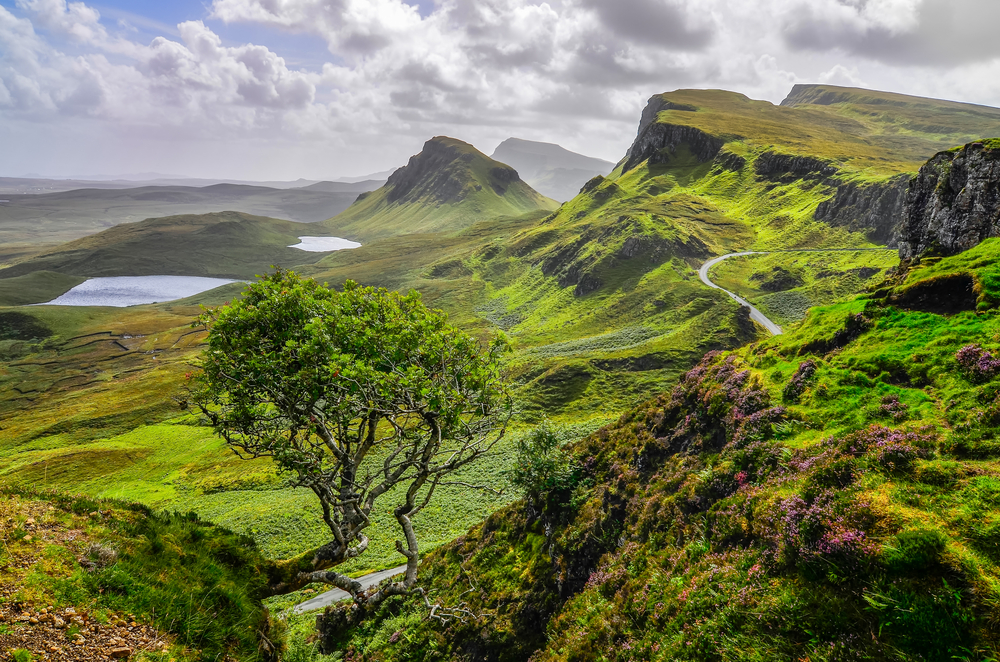
Scotland has some absolutely stunning scenery that looks completely untouched by man. And one place to drive through unspoilt landscapes and reconnect with nature is the Isle of Skye. The mysterious blend of historical sites, quaint little towns and spectacular landscapes will make you fall in love with this region.
The Old Man of Storr is the perfect hiking spot for adventure lovers whereas the mystical Fairy Glen and Fairy Pools will hook you with their mythical charms. And you don’t want to miss the sunset at Neist Point — it’s one of the best sunsets you’ll ever see, and it’s the perfect area to appreciate the beauty and natural magnificence of this island.
7: Travel the Causeway Coast Route and Explore the Giant’s Causeway
The Causeway Coast Route in Northern Ireland is without a doubt one of the best roads to drive in the UK. Starting in Belfast, you can drive your way through picturesque coast roads, past beautiful little villages and unforgettable landscapes, and there are countless attractions to stop and visit along the way.
For example, you could visit the Carrickfergus Castle, Nine Glens of Antrim and Carrick-a-Rede Rope Bridge but one place that is going to take your breath away is the Giant’s Causeway. It is characterized by horizontally lined polygonal basalt columns formed as a result of volcanic eruptions over centuries. However, the legend says that the Irish Giant Fionn Mac Cumhaill made this path to have a fight with its Scottish counterpart over territorial issues. But whatever the story may be, this UNESCO world heritage site is a symbol of pride for Northern Ireland.
There are also plenty of gardens to admire, fairytale-like scenery to discover, adventurous activities to try and even Game of Thrones attractions to explore.
To get to this Northern Ireland route from mainland UK, you can take your car on a ferry, or fly to Belfast and rent a car.
8: Discover the Elegance of the White Cliffs of Dover
If you are coming from London, take a drive from the town of Kent along the English coast to the magnificent White Cliffs of Dover. Overlooking the English Channel and facing France over the Strait of Dover, the cliffs are a popular spot for keen hikers, cyclists and photographers.
And as well as offering beautiful flora and fauna, Dover has seen its share of historical events ranging from the Roman invasion to the evacuation mission from Dunkirk during World War II. Other interesting areas around the cliffs are the South Foreland Lighthouse and Dover Castle.
When touring these destinations it doesn’t matter if you are a foreigner or a local. All that matters are the wonderful experiences you gain from each and every one of these road trips. So pack your raincoat and camera, and enjoy the gifts that the UK has to offer.
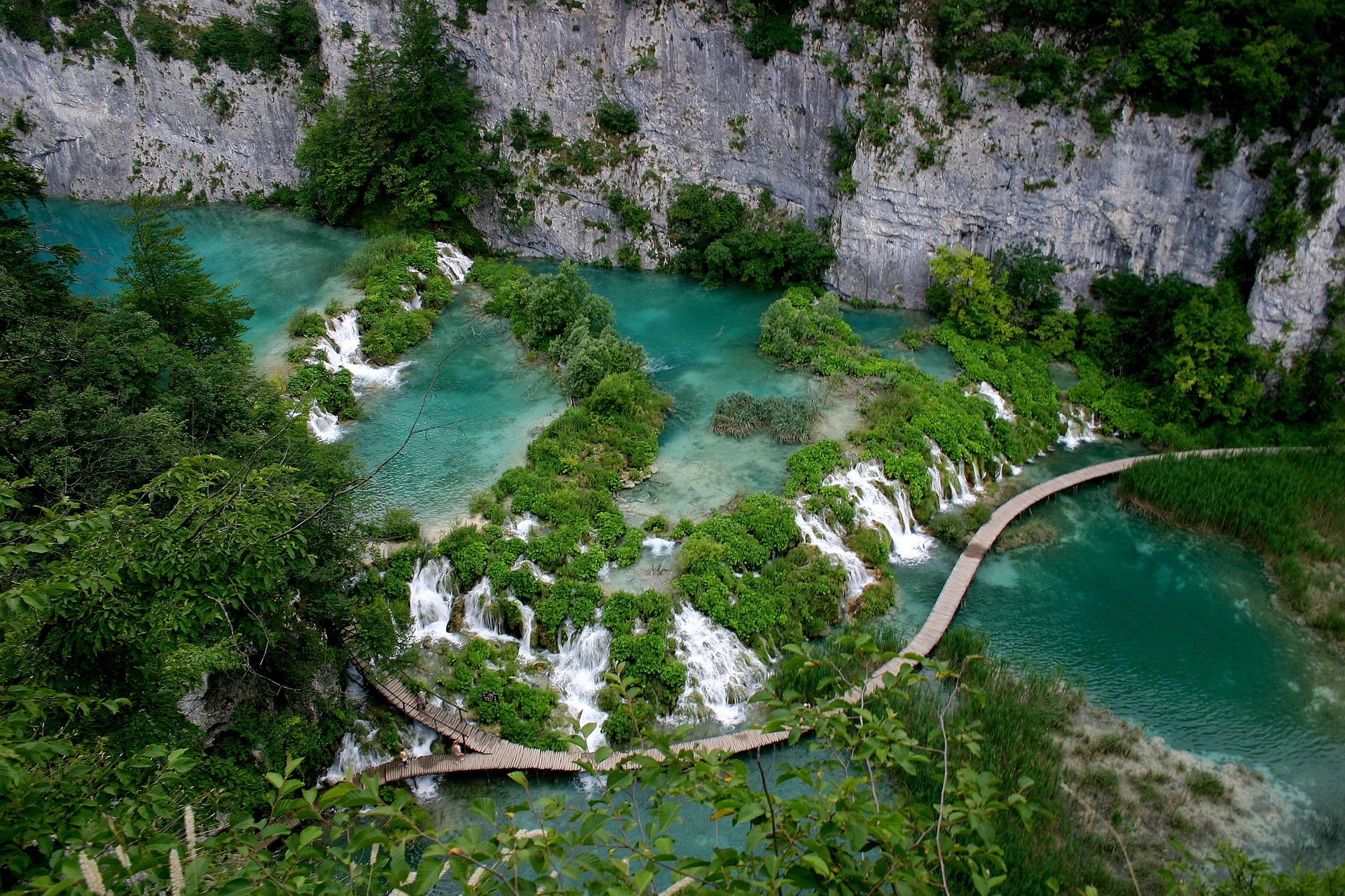
The moment I saw pictures of Croatia’s Plitvice lakes I knew I had to go. The only trouble was that the flights were fairly pricey (as Monarch Airlines had just collapsed) and so if I was to stay within my budget I had to find super cheap accommodation.
I’m not all that big on hostels, and I was traveling with my boyfriend, so we wanted our own space. So I was determined to find somewhere (other than a hostel) for less than £30 a night for both of us.
After a lot of research and some searching of booking.com, I found Bungalows Korana.
Here’s a review of camp Korana based on our week there!
The Bungalows are basically just glamping pods
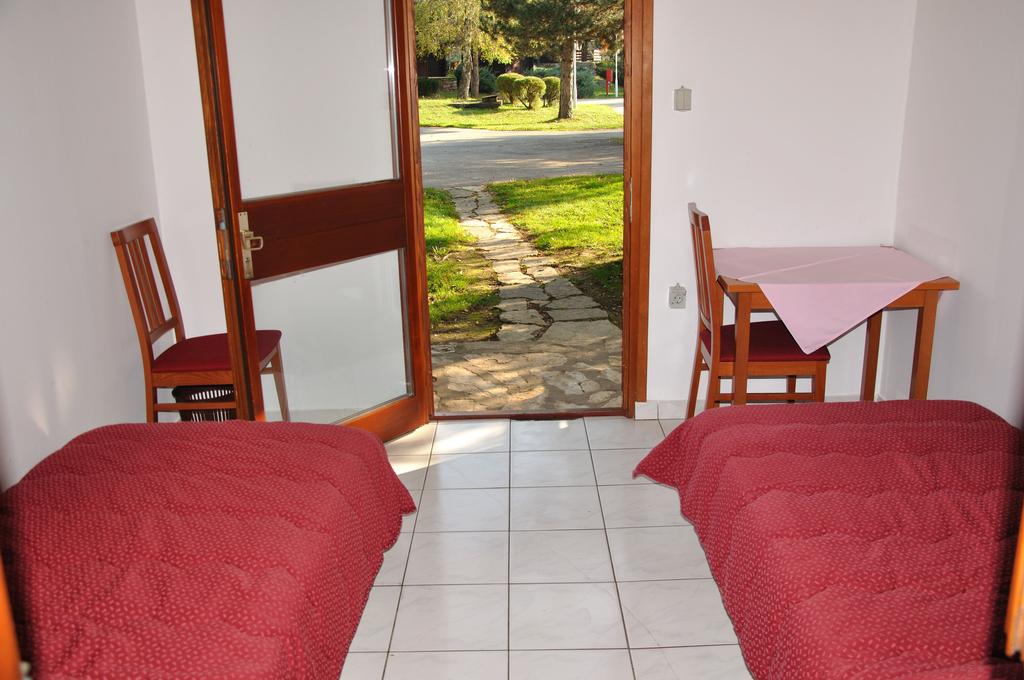
Whilst the accommodation at Camp Korana is referred to as Bungalows, they were essentially just glamping pods.
Having already seen pictures online, we knew what to expect so this didn’t come as a shock to us, and for the price we weren’t complaining.
The pods have two single beds, with a desk, a chair and a single plug socket.
There’s only one plug socket
My boyfriend and I are both travel bloggers, so we travel with a lot of camera gear, laptops, phones etc. This meant that for us, one socket was definitely not enough.
That being said though, given the fact that Bungalows are just wooden huts, we were grateful to even have one. And in hindsight, we should have bought an extender with us.
It was super cheap
We booked a bungalow at Camp Korana for just £23 a night for the two of us, which was basically as cheap as a hostel would have been.
So for £11.50 each a night, we had a place to sleep, and a free place to park our rental car.
There are loads of facilities on-site
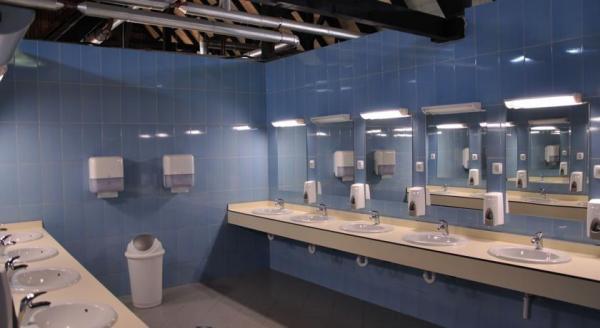
The site of Camp Korana was fully equipped with warm showers, toilets, a bar and a restaurant.
Having a bar and restaurant just a two minute walk from our cabin meant that after a long day of hiking, we could just get back to camp and relax, and not worry about finding somewhere to go for dinner.
The Korana River was just a short walk away
For those that fancy going for a walk or finding a peaceful place to sit, you’ll be pleased to hear that the Korana river is so close that it basically runs through the camp.
We went in October so there was nothing really going on, but apparently in the summer months they have white water rafting on the river.
The Bungalows are fairly exposed to the weather
Because the Bungalows are basically just wooden huts, they can get quite warm in the summer and cold in the winter and at night.
We stayed here mid-October time, and the nights were fairly cold. So it might not be the best place to stay during the colder months, unless you’ve packed a whole load of layers!
It’s within easy reach of Plitvice Lakes
The main reason we visited Croatia was to see the Plitvice Lakes, so we were definitely pleased with the location of Camp Korana.
It was only a short drive (around ten minutes) to the National Park, and there was a bus from just outside the camp for those that didn’t have a car.
We didn’t see many other hotels so ideally located, so we couldn’t have been happier with the location.
The Canary Islands are well known for their hundreds of all inclusive resorts, but if you fancy something a little more adventurous, you might want to consider taking a tour or booking a few excursions.
If you’ve travelled with TUI to Fuerteventura, the Fuerteventura Uncovered tour is one day out that the reps insist is worthwhile, or at least they did for us.
But if you’re wondering whether or not to go for it (because it is pretty costly at around £50), here’s a recap of what the tour entailed, followed by the pros and cons (feel free to skip to the pros and cons if you don’t want any spoilers, I won’t be offended!).
What to expect: a step by step account of the tour
The pick up
We were picked up at just after 8am in a bright blue TUI bus that you could see coming from a mile away (one of the benefits of this tour being TUI exclusive I guess). The coach was comfy with leather seats, super effective air con, and nice little foot rests, which was lovely after traveling to the Island on a budget airline.
TIP
If like me, you don’t book the tour in advance, and just book it at your hotel, you’ll just be given a paper receipt that looks like any other receipt that you’d normally bin – but keep hold of it! They scan this as you get on the bus.
The coach then drove to a few other hotels, and by the time it hit 9am, we had picked everyone up.
Our guide then introduced herself, cracked a few jokes, outlined the plan for the day and gave us some great facts about Fuerteventura’s history and culture.
First Stop: Ajuy
The first stop of the day was Ajuy, which was a beautiful black sand beach. Our guide walked us down to the beach and explained that we could either relax on the beach, and enjoy the bars and restaurants, or we could walk up a rocky path that winds up and around the cliff face, until eventually reaching some caves. But whatever we decided to do, we only had an hour to do it!
I was looking for a bit of adventure, so we opted for the rocky road to the caves. And boy were we glad we did.
The caves were huge and apart from the steps down to them, they seemed basically untouched. The steps ended just inside the mouth of the cave, and from there onwards, if you wanted to go further, you had to climb over rocks. Obviously for me, this was great fun, but there were a few older folks who had to turn back at that point.
But, if you are fit and well enough to venture further into the cave, it’s definitely good fun climbing the rocks, and you’ll get some great ocean views. The rocks aren’t actually that tricky to climb over either, you just have to watch your footing a bit, so don’t be put off by that!
The walk back felt like a bit of a trek. The exciting part was over, so we didn’t tackle the stairs with as much enthusiasm on the way back. Plus, a lot of the walk back was uphill.
Second Stop: Buenaventura Church
So the day had gotten off to an exciting start, and we were eager to see what the tour held in store for us next.
The next stop was only a short stop of 15 minutes, to see Buenaventura Church. Our guide explained the significance of the Church’s design, saying that the designer had wanted the Church to look Mayan, after being inspired by Mayan culture.
The town around the Church also looked quite quaint and it was bustling with people, unfortunately though our 15 minutes wasn’t enough time to explore any of the traditional looking restaurants or shops.
Third Stop: Aloe Vera Farm
Next we visited an Aloe Vera Farm, which I’d say was one of the trip’s best bits. We all piled out of the coach and found ourselves faced with rows and rows of hundreds of Aloe Vera plants. Considering the ground was pure volcanic rock, it was an odd sight to see so many plants thriving in such a dry environment.
Our visit to the farm began with a presentation about the natural powers of Aloe Vera, and the different types of Aloe plants. We were then guided over to a table already set up with a few Aloe Vera leaves and equipment. We were shown how to cut Aloe Vera leaves, and how to get rid of the orange sap.
Why get rid of the sap, you ask? Well, apparently, the slightest taste of the orange goo will send you running for the toilet! Yep, it’s a natural laxative.
Once the leaves had been cut, we were each offered a piece of the Aloe Vera from inside the leaves. This was a gel, putty like substance that we were encouraged to rub over our skin to feel the moisturising effect.
TIP
Don’t eat the Aloe Vera that they give you to rub on your skin! It’s a natural laxative, and there are only two toilets on site!
We also got to try each of the products on offer in the farm’s store. We tried hand cream, moisturiser that had been mixed with avocado oil, and we even got to try Aloe Vera juice (the laxative substance had been removed, don’t worry!). Be warned though, even a tiny sip of the juice tastes like you’ve just bitten into a raw onion.
After our testers and tasters, we were able to buy the products if we wanted to. I didn’t, quite simply because I’m a budget traveller who can’t afford to spend €30 on moisturiser.
Lunch
Lunch was included in the tour, and by the time we got to the restaurant, we were all looking forward to a hearty meal.
The restaurant was full of other tour groups, and we were all sat on tables of eight. This meant that we got to know a few other people on the tour, and get tips from everyone else on what was worth visiting on the island.
I’m a vegetarian, so my meal was a little different to most people’s, but still, it was delicious. The starter for vegetarians was pumpkin soup, but everyone else had what they called a classic Canary Island dish: a soup consisting of noodles, chickpeas and bacon.
The main course was fairly simple, but still tasty. For the meat eaters, it was crispy chicken leg with potatoes and salad, and for us vegetarians, it was a Spanish omelette with salad.
Dessert wasn’t quite as nice as the first two courses. We were each given a choice of strawberry or chocolate ice cream, which came in yoghurt pots that reminded me a lot of school dinners. But still, ice cream is ice cream, no matter how it’s served!
The lunch also included free red wine, which certainly helped everyone get to know each other, as we gradually got slightly tipsy.
Fourth Stop: Bar, museum and viewing point
I’m not sure exactly what this stop was called, but it was located at the top of the tallest mountain. Our tour guide gave us around 20 minutes to enjoy this stop, and recommended we get a cocktail and take in the views.
Having just had lunch and free red wine, the thought of paying for a cocktail didn’t much appeal to me, so I spent some time looking around and taking photos of the view, before venturing inside to explore.
As well as the bar, there was also a museum inside, with beautiful displays, models of the island, and lots of information.
TIP
If you want to look around the museum, I’d recommend skipping the bar completely. There’s so much information to read that you won’t have time for both!
Fifth Stop: Betancuria
Next we stopped at the historic town of Betancuria, which looked quite similar to the Mamma Mia! setting.
We visited the 17th century church there, the admission already paid for and included in our tour price. This church was definitely more impressive than the first one we visited, with beautiful gold alters and cardinal robes on display.
We were taken through to the back of the church, to what we were told was the Cardinal’s dressing room. This room was full of amazing paitings, and a hand crafted, red and gold ceiling.
Aside from the church there wasn’t really much to do in Betancuria. We were given an hour here, but aside from restaurants there wasn’t anything else to see or do. The town only consists of two small streets, and so most people passed the time with an icecream.
Sixth Stop: Goat Farm
Our visit to the goat farm was definitely interesting. We got to see the goats being milked, the goat pens outside (where there was also camels, tortoises, and geese), and we had a few indoor demonstrations and tasters as well.
We watched the demonstration alongisde a French TUI tour, and half of the entertainment was the banter between the two tour guides.
We watched a farmer demonstrate how to make Gofio, a traditional Fuerteventura delicacy. Gofio they told us was like flour but with a more nutty taste, and to make the soft dough that was the finished product, the Gofio was mixed with water, sugar and a little salt in a goat skin!
I warn you, the first taste is a bit weird, and the texture is unexpected, but even if you don’t like at first, go for a second bite! Once you get used to the texture, you start to appreciate the nutty taste.
As well as the Gofio, we also got to taste honey rum (which honestly, is so tasty you could drink it like juice), and a few different types of goats cheese. We could also try cactus jam if we wanted to.
Of course, once we’d tasted everything, we were given the opportunity to buy everything we’d tasted and more.
Seventh Stop: Mountain Road and Viewpoint
This stop apparently wasn’t an official one (although there was another TUI bus there when we arrived, which makes me think it was). Our tour guide got the coach excited by telling us we were taking a detour down Fuerteventura’s most dangerous road.
The road was without a doubt a scary one, with sheer drops either side as it wound up the mountain.
The coach stopped at a viewing bay, where we all piled out of the coach to see the views and take pictures.
One word of warning, there aren’t really any barriers, so you could walk right to the edge if you wanted to. One member of our tour had a slight stumble, and it is easily done if you don’t have your wits about you.
You’ll also see some squirrels that look a bit like chipmunks, and these guys are super curious, and some of them quite tame. We managed to get a few good close-up shots of the little critters.
End of the day
That was the end of our tour, and we were each then dropped back to our hotels. It took around an hour/hour and a half to get back. The day finished at around 5:45pm.
Pros and Cons of the Tour
Pros
We covered a lot of ground in one day, and got to see lots of Fuerteventura in a short space of time.
Having a tour guide meant we weren’t just seeing Fuerteventura, but we were also learning about it.
You get to meet like-minded people
Lunch is included, so you don’t have to spend anything if you don’t want to.
With so many different opportunities to taste and try local products, we fully immersed ourselves in Fuerteventura customs, and got an idea of great souvenirs to take home.
Going with a tour meant that traveling around Fuerteventura was stress free.
Cons
Much of the tour felt like we were being sold to.
Apart from the caves, it wasn’t particularly adventurous. It was perhaps more suited to an older crowd.
The time spent at each stop could be reorganised. For example longer time was needed at the caves and perhaps at the museum, and less time was needed in Betancuria.
It was sometimes not clear what would cost extra – for example we were told we could have orange juice instead of wine (which was included), but were then brought a bill for it. And we were told at the mountain stop that the next part of the tour was a cocktail stop – but the cocktails were not included.
Was it worth the money?
This is a question I always get asked after going on tours, and the answer for this one is yes.
The tour was something like 50 euros each, but that included travel all around the island, lunch, a tour guide, and several private demonstrations.
We saw more than we would have had we just hired a car and hit the open road, and we visited places we wouldn’t even have known about.
Turkey is a beautiful place to visit whether you’re going alone or with your partner. And in Istanbul especially, there are so many sights to see and perfect memories to be made. However it’s one of the places that people are often concerned about visiting. Political and religious elements often mean that safety concerns are raised. So if you’re a gay or lesbian traveller, it makes sense that you want some reassurance before heading to Istanbul. You want to see the world, but you also want to travel without worrying about being yourself.
How safe is Istanbul for the LGBT community?
Homosexuality isn’t illegal in Turkey, in fact, it was first legalized in 1858 in the Ottoman Empire. In the Turkey we know today, homosexuality has been legal since 1923, and the country even offers asylum to those LGBT people who have fled their home countries. As for transsexuals, people have been legally allowed to change their gender since 1988. So in terms of the legality of homosexuality and trans-sexuality, LGBT members will have the protection of the law.
Given the legal and social context, it’s unlikely that you will find openly gay-friendly casinos in Istanbul or anywhere else in Turkey. If you’re interested in LGBTQ+-friendly establishments or events, you may want to explore the LuckyTigerSlots.com LGBTQ+ scene in Istanbul, which includes bars, clubs, and community organizations. Keep in mind to research local laws, customs, and safety considerations.
However, the laws regarding discrimination in Turkey aren’t quite so modern. There are currently no laws preventing people from discriminating against the LGBT community. However, there have been legal debates on the topic, so hopefully these laws will be brought in fairly soon.
However, despite homosexuality and trans-sexuality being legal, there are still those with backwards views, and so there have been reports of violence towards LGBT people.
In order to maximise your safety whilst in Istanbul, it’s important that you stay in the city centre, and well known areas, travel in groups, and just generally remember your common sense. It’s also worth noting that whilst homosexuality is legal, it’s advised not to be too publicly affectionate (whether you’re gay or straight). Even simple things like kissing on the lips in public aren’t generally the done thing in Turkish culture.
Whilst there has been the odd incident of discrimination, whether violent or otherwise, that’s not to say that Istanbul isn’t a safe place for gay and lesbian travellers to visit. Turkey is one of the more liberal Muslim countries, and plenty of people have spent time in this Turkish city and experienced nothing but kindness and warm welcomes.
Tomas's Story - A Turkish Travel Story
I spent just over a year in Turkey, and honestly, it was amazing. My adventure started when I chose to study abroad with the Erasmus+ study mobility program, and the second I arrived in Turkey, I fell in love with the country, its culture and its people.
Most people only visit Turkey for a week or two, or in some cases three weeks, but believe me when I say that’s not enough. If you want to experience everything Turkey has to offer, from the historic sights, to the beautiful architecture, and fully immerse yourself in the different culture, you need a lot longer.
Plus, the gay scene in Turkey is actually huge, and if you want to explore and discover everything the LGBT community has to offer in Turkey, it’s worth spending at least a few months there.
I traveled alone to Turkey, and there were plenty of other gay individuals and singles, and I even found the love of my life during my travels there. The point is though, that even though I traveled alone, openly gay, which would have made me vulnerable in many other places, I’ve never felt safer and more at home than I did in Turkey. In fact, I even plan on moving there to live one day.
A lot of people are surprised at how accepting and open-minded the Turkish people are when it comes to homosexuality and diversity. It’s somewhere you can truly be yourself.
Gay friendly places to stay in Istanbul
Every city has its different areas, and some of areas of Istanbul are more suited as gay travel destinations than others.
Beyoğlu is the best area to stay if you’re a gay or lesbian traveller. It’s one of the more liberal areas, it’s super gay-friendly, and it’s where you’ll find the best gay and lesbian bars. Around the Taksim square area is the same.
Gay and lesbian nightlife in Istanbul
Turkey is packed with beautiful landscapes and cities full of history. What makes it even better is that it’s actually a great destination for gay and lesbian travelers.
When you finish sightseeing, you can relax or enjoy the nightlife in Istanbul. There are plenty of gay bars that have the friendliest atmosphere, and most of them are some of the trendiest places you’ll find in Istanbul.
Chianti Bar is a cafe by day and a bar by night. This gay-friendly bar has a nice atmosphere and friendly staff. It gets busy by early evenings, but that just makes it one of the best places to meet new people.
This is the sort of bar that once you’ve visited once, you won’t hesitate to head back there again. It’s the perfect bar to make new friends, enjoy refreshing drinks, or even a bite to eat whilst you relax during the day.
Tekyon Club is the biggest gay club in Istanbul. It gets crazily crowded on weekends, but then you go to clubs to have fun, right? And the more people in a club, the more fun you’ll have and the more amazing people you’ll meet.
There’s great music, amiable staff, and no entrance fee! In short, Tekyon Club is wild. It’s a place for wild dances and crazy people. Head to this club if you want some truly unique memories of Istanbul’s nightlife.
Arjin Café
Address: Evliya Çelebi Mahallesi, 34433 Beyoğlu/Istanbul, Turkey
Cozy, liberal, calm environment and friendly staff – that’s what you’re in for at Arjin Cafe. It may not be a club, but it’s a good place to head to if you prefer to socialize during the day. It’s gay friendly, and it’s super cheap to eat or drink at.
Bigudi Cafe
Address: Şehit Muhtar Mahallesi, İstiklal Caddesi Mis Sokak Altın Plak No:5, 34435 Taksim, Beyoğlu/Beyoğlu/İstanbul, Turkey
This café proudly holds the title of the first exclusively lesbian venue in Turkey. Plus, it’s perfectly located on the terrace on the top of the building. This place has been transformed into a cultural center where only women are allowed to enter.
Doors open around 10pm, and then the night really starts. A night out at Bigudi Café isn’t just a wild night out, but a real experience.
You want to explore London’s culture and history, but at the same time, it’s quite tempting to check out London’s pubs instead, am I right? But what if I told you can do both at the same time? Here are some of London’s greatest literary pubs, so you can grab a drink at what used to be some of your favourite author’s locals. Many of these pubs were frequented by Charles Dickens, as it turns out, he had a fair few locals!
If you want to see more literary attractions in London (other than just pubs I mean), check out our list of the top literary attractions in London.
1: The George Inn – Southwark
Coaching Inns used to be the norm, but now the George Inn is the last one that’s still in service. This pub dates back to the 16th century, and has been visited by some of the greatest names in literary history.
William Shakespeare often popped into this quaint little pub for a drink, and Charles Dickens even mentioned it in Little Dorrit.
As well as being a place of literary and historical interest, it’s also a really nice pub to stop at, with a friendly and warm atmosphere. There are plenty of tables in the historic building, or if you’d rather take your drink outside, there are plenty of benches where there once would have been horses and carriages.
2: Pillars Of Hercules – Soho
A literary pub with a literary name. Charles Dickens was a fan of this pub, and mentioned it in his novel A Tales Of Two Cities. In appreciation of the mention, one of the side streets by the pub was renamed Manette Street, in honour of the story’s Doctor Manette.
The modern writer Ian McEwan has also visited the pub, so it’s good spot to stop for a drink, if you want to drink at the same pub, perhaps even sit at the very same table as some of your favourite writers.
3: The Duke Of York – Fitzrovia
This is the pub that inspired Anthony Burgess’ popular dystopian novel, A Clockwork Orange. Burgess and his wife saw a razor gang’s invasion and violent outburst in the Duke Of York, and it was this horrific event that sparked the horrowshow story line of his most popular novel.
4: The Fitzroy Tavern – Fitzrovia
This pub is such a literary location that it even as a writers and artists bar downstairs. Plus, George Orwell and Dylan Thomas were both regulars at this pub. So you can imagine, this corner pub gets pretty busy, with creatives keen to grab a drink at the writers bar.
5: The Flask – Highgate
This pub is a must-visit for any fans of the Romantic. It was frequented by Romantic writers including Mary and Percy Shelley, Lord Byron, and John Keats. Even Karl Marx was known to stop off here every now and then for a drink.
6: The Grapes – Limehouse
A pub visited by many different authors, and mentioned in a handful of famous novels, including in the Sherlock Holmes books, and in Oscar Wilde’s The Picture Of Dorian Gray. Charles Dickens liked it here, but then it seems he liked it in many pubs across London.
7: The Dog And Duck – Soho
This is a great pub with a real local feel, and it was one of George Orwell’s favourite public houses (he, like Dickens, enjoyed drinking at a range of pubs).
The pub is now owned by a chain brand, but they’ve done their best to keep the Victorian décor as it would have been, so you can sip a not-too-badly priced drink whilst stepping back in time.
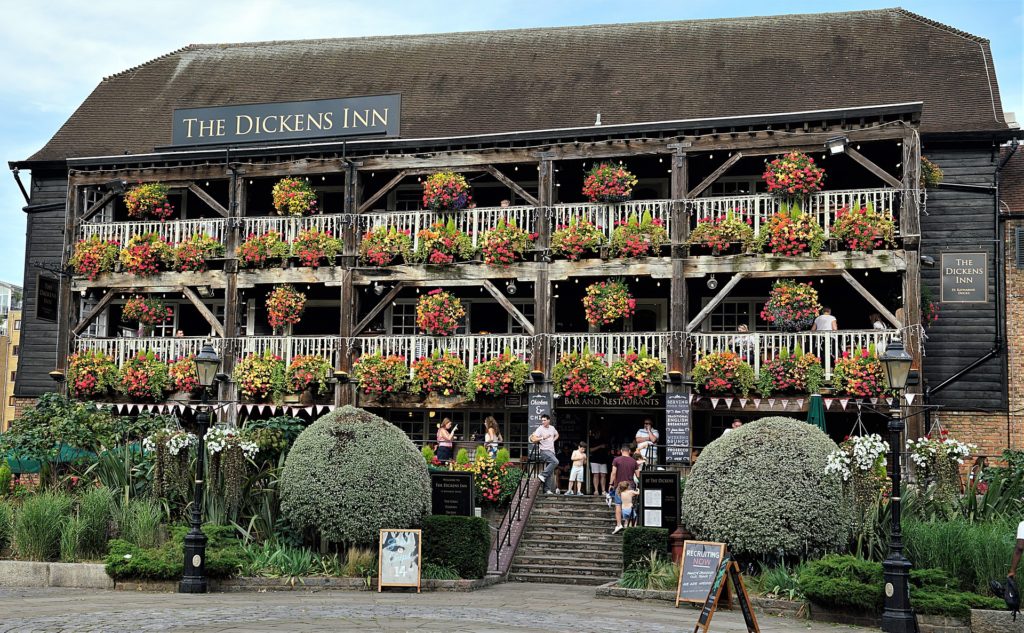
8: Dickens Inn
This literary pub may not have the same literary history as many of the other pubs on this list, but it was opened by Dickens’ grandson. When he formally opened the Inn he said that his grandfather would have loved it.
It’s a popular place to drink, and is even known as a tourist spot, thanks to its ideal location beside the River Thames and historical atmosphere.
London is a city that’s inspired so many novelists and poets over the years, and now it’s a city that’s packed full of literary attractions, making it the perfect destination for any book lovers.
Here are some must-see literary attractions in London. Walk in the footsteps of your favourite authors, stroll through the settings of your favourite books, even drink in the same bars as some of the biggest figures in literary history.
If you want to explore London’s literary history whilst grabbing a drink though, check out our article on London’s greatest literary pubs.
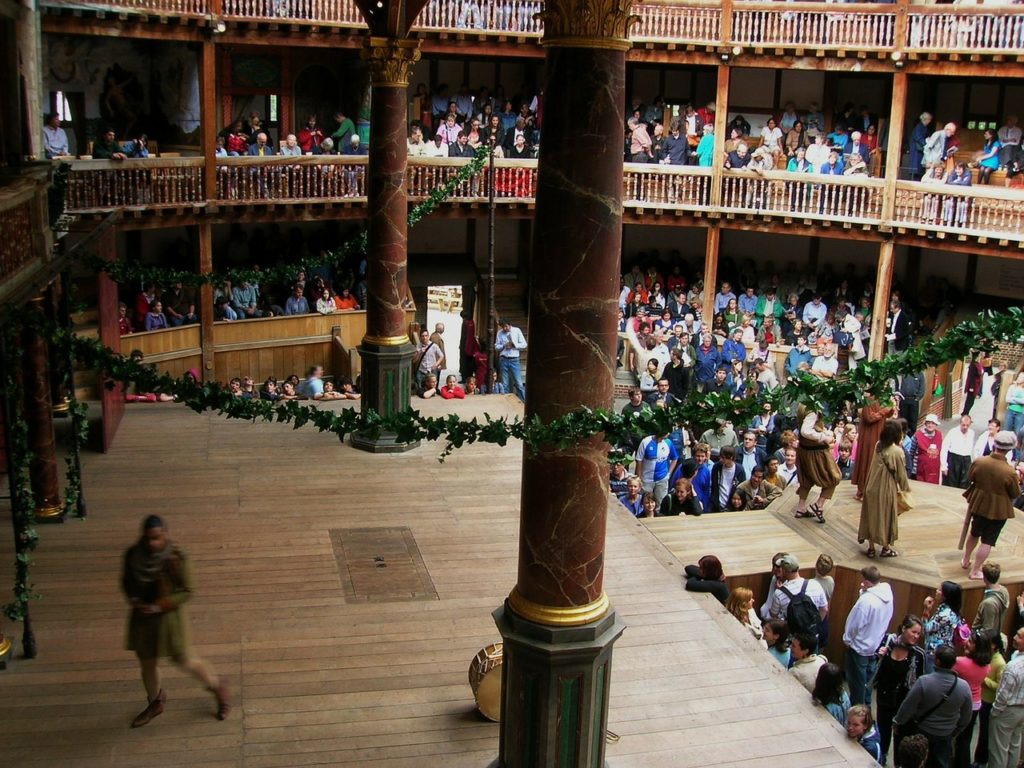
1: Shakespeare’s Globe
For any Shakespeare fans visiting London, this is a must-see. Whilst it’s the not the original globe theatre, as that was destroyed by a fire in 1613, the modern reconstruction is styled on the original, and is bound to throw you back in time.
Located on the South Bank of the Thames, the area surrounding the Globe has an amazing atmosphere. There are buskers and street artists all around, markets to browse and quaint little cafes and restaurants where you can grab a bite to eat.
As for the Globe itself, if you can, catch a performance of one of Shakespeare’s plays. It’s unlike any theatre you’ve been to before. In order to keep the Globe authentic, as it would have been in Shakespeare’s time, the general admission area has no seats, and is instead a large standing area. Standing to watch a play might sound a little tiresome, and it might not be the most luxurious of theatres, but it’s definitely an experience. Plus, you’ll be as close to the action as you can get, with actors taking the performance off the stage and into the crowd.
Don’t worry though, if you don’t fancy standing, you can always pay a little more the circle seats. This is where the more wealthy families would have sat to watch Shakespeare’s plays.
If you don’t have the time to fit in a play at the Globe, it’s still worth a visit. You can still see some of the globe, and explore the Shakespeare shop.
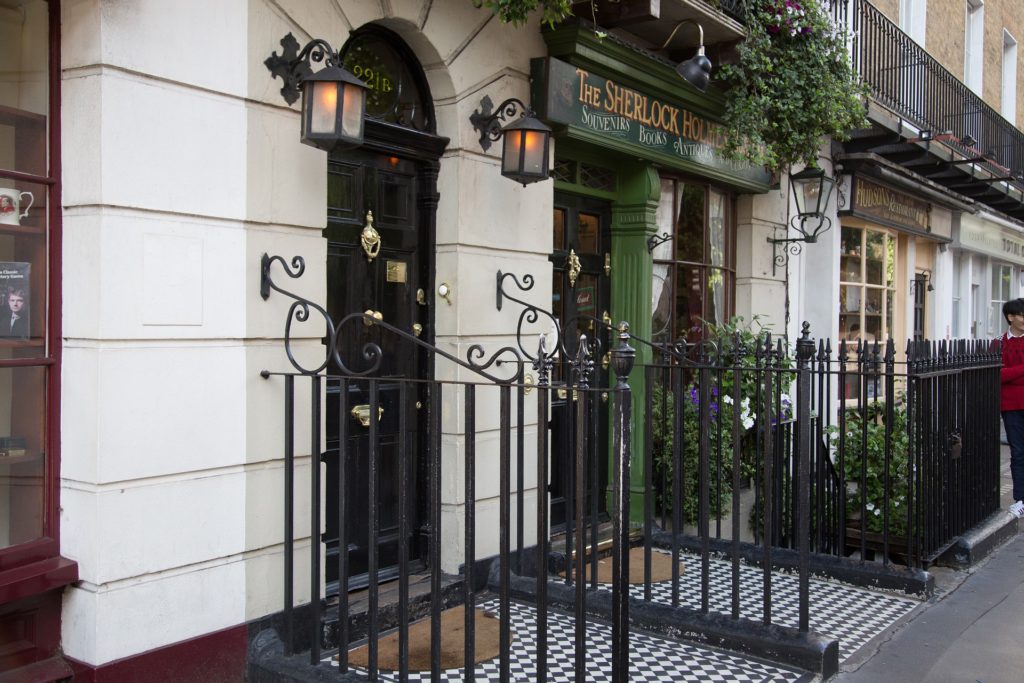
2: Sherlock Holmes Museum
Whether you’ve read Conan Doyle’s Sherlock Holmes books, or you’ve just seen the film and television adaptions, the Sherlock Holmes Museum is the perfect place to visit.
The museum is located, of course, at 221B Baker Street (the world’s most famous address), so you can visit the actual home of the world-famous fictional detective.
There are life size wax works of Sherlock Holmes, and rooms showcasing some of the adventures of Holmes and Watson. You’ll have the chance to step into a recreation of Sir Arthur Conan Doyle’s world, and do some deduction of your own. And you won’t be disappointed with the souvenir shop either!
3: The British Library
Any book lover will want to visit the world’s largest library, The British Library. There are over 150 million items catalogued from all over the world, some as old as 4,000 years old. There are even original copies of Beowulf, The Canterbury Tales, Jane Eyre and so much more.
Whilst you can’t explore the entire library, as much of it is underground, it’s still an impressive sight to see. As soon as you walk in, you’ll spot the six-story glass column in the middle of the library, containing 65,000 of some of the library’s oldest and most important items.
4: Keats House
This house, where John Keats once lived and wrote Ode To A Nightingale, is just across from the Keats Museum.
You can attend one of the many literary events and exhibitions held here, or if there’s nothing on on the day of your visit, there’s an impressive collection of items that give a little insight into Keats’ life. From Keats’ letters, to the engagement ring he gave his fiancee, there’s plenty for you to see and discover.
5: The Garden Squares Of Bloomsbury
Open, green spaces offer a welcome break from London’s mostly urban environment. And the Garden Squares of Bloomsbury are one of the most idyllic green spaces London has to offer, especially for literary fanatics and aspiring writers.
The Gardens are famous for being the meeting place of many writers and artists in the 1920s and 30s, in fact it was the meeting place of the famous Bloomsbury Group. Several famous writers also had homes around the gardens. You can enjoy the beautiful gardens and the fountain plaza, and walk in the footsteps of famous writers, including Mary and Percy Shelley, Virginia Woolf, T.S Eliot, John Maynard Keynes and many more.
Because of its rich literary history, you’ll often find people relaxing in the park with a book. It’s the perfect place to sit and read, if you have a spare afternoon.
6: Platform 9 ¾, Kings Cross Station
Harry Potter fans from all over the world come to visit the real-life location of Platform 9 ¾, so if you’re in the area, it’s definitely worth a visit.
You can pose with a trolley, that’s half disappeared into the wall, and shop until you drop at the Harry Potter shop there.
7: Charles Dickens Museum
The Charles Dickens Museum is located at Dickens’ old house, and gives visitors the chance to step back into time to the Victorian era, to Dickens’ time. The rooms are reconstructed to how they would have looked when Dickens lived there, and you can explore his library, and discover the books that inspired him.
You can also listen to the audio guide, and learn more about Dickens, his stories, and the Victorian era.
8: Poet’s Corner, Westminster Abbey
Westminster Abbey is a sight to behold in itself, but if you want to satisfy your love of literature whilst visiting this beautiful landmark, head to the Poet’s Corner in the South Transcept of the Abbey.
Here you’ll find Chaucer’s tomb, and floor stones commemorating writers including Ted Hughes, C.S. Lewis and Philip Larkin. There are also carved stone monuments, and figurative busts in memorial of writers and poets.
9: Highgate Cemetry
Cemeteries are obviously a fairly morbid place to visit, but this one is worth it if you want to pay your respects to some key figures in history. Some of the tombs and graves are fairly ornate as well.
You can see the graves of Karl Marx, Henry Gray, and George Elliot, and explore the graveyard that is so often mentioned in films, TV shows, and books.
This website uses cookies to improve your experience. We'll assume you're ok with this, but you can opt-out if you wish. Cookie settingsACCEPT
Privacy & Cookies Policy
Privacy Overview
This website uses cookies to improve your experience while you navigate through the website. Out of these cookies, the cookies that are categorized as necessary are stored on your browser as they are essential for the working of basic functionalities of the website. We also use third-party cookies that help us analyze and understand how you use this website. These cookies will be stored in your browser only with your consent. You also have the option to opt-out of these cookies. But opting out of some of these cookies may have an effect on your browsing experience.
Necessary cookies are absolutely essential for the website to function properly. This category only includes cookies that ensures basic functionalities and security features of the website. These cookies do not store any personal information.
Any cookies that may not be particularly necessary for the website to function and is used specifically to collect user personal data via analytics, ads, other embedded contents are termed as non-necessary cookies. It is mandatory to procure user consent prior to running these cookies on your website.